
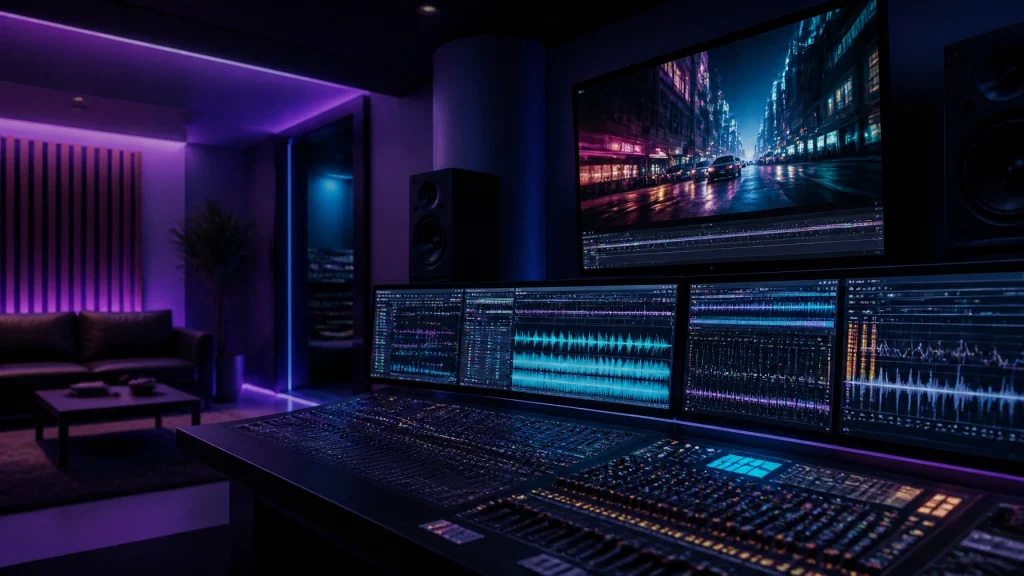
The landscape of the music industry has undergone a radical transformation. As we navigate through 2026, the traditional "record deal" has taken a back seat to the most lucrative and career-defining revenue stream available to independent artists: TV Sync Licensing.
Gone are the days when landing a spot on a network drama was just a "nice-to-have." Today, in the height of the streaming era, a single placement on a Netflix, HBO, or Disney+ series can amplify your brand faster than a billion Spotify streams. With the global sync market projected to surpass $2.5 billion this year, the question isn't whether you should be chasing sync: it’s how you can use the latest technology to dominate it.
At Tunes On Top, we’ve been bridging the gap between artists and brands since 2007. Whether you're an established pro or a rising star, this guide will provide the blueprint to transform your catalog into a sync-licensing powerhouse.
The 2026 Sync Economy: Where the Money Is
The "big check" hasn't disappeared; it has simply diversified. While terrestrial TV still offers significant performance royalties, the volume of streaming content has created a massive demand for authentic, high-quality music.
Typical Sync Fee Ranges in 2026:
- Network TV Series: $5,000 – $75,000 per use.
- Major Streaming Originals: $3,000 – $50,000 (often with global rights).
- National TV Commercials: $15,000 – $250,000+.
- Micro-Sync (Social/Short-form): $10 – $1,500 (high volume, automated).
For artists like DJ Sonaar or Ultrasonic, these placements represent more than just cash: they are global marketing campaigns that run 24/7.
DIY Empowerment: Leveraging AI for Your Sync Strategy
You don’t need a massive team to get noticed by a music supervisor anymore. The 2026 DIY artist is an "AI Superstar," using smart tools to handle the heavy lifting of metadata and outreach.

1. AI-Driven Metadata Tagging
In the world of sync, metadata is king. If a music supervisor searches for "cinematic, moody, lo-fi hip-hop with a female vocal," and your tags aren't perfect, you don’t exist. Tools like Cyanite or Auddly now offer AI auto-tagging that analyzes your track’s mood, BPM, and instrumentation with 99% accuracy.
- Pro Tip: Always include your contact information in the "Comments" field of your MP3/WAV files. Make it impossible for them not to find you.
2. Stemming and Alternate Versions
Music supervisors love flexibility. If a scene has heavy dialogue, they’ll want your instrumental or a "stripped-back" version. Use AI stem-separation tools like Lalal.ai or Moises to create high-quality instrumentals and vocal-only tracks from your masters.
3. Smart Outreach
The era of "blind emailing" is over. Use AI-powered platforms to track which shows are currently in production and who the music supervisors are. Focus on "similar-to" artists. If your sound fits the vibe of our Indie or Electro categories, find shows that have previously featured artists like Galapaghost.
The Music Supervisor’s Perspective: Authenticity Over Stock
We spoke with several top-tier music supervisors to find out what they’re looking for in 2026. The consensus? Authenticity.

"We don't want 'stock' music that sounds like a generic version of a hit," says one veteran supervisor. "We want songs with soul, character, and a unique perspective. We want to find the next big artist before they break."
This is where your home studio engineering pays off. High-fidelity recordings that maintain a raw, emotional edge are winning the most placements in 2026. Whether it’s the global rhythms of Afrobeats or the grit of Modern R&B, supervisors are scouring the web for "urban cool" that serves the narrative of their scenes.
Why Partnership Development is the New Record Deal
Navigating the business of sync can be a labyrinth of "one-stop" deals, publishing splits, and master use licenses. This is where Tunes On Top excels. We don't just pitch your music; we develop strategic partnerships.
By connecting brands with music collaboration opportunities, we create unique, music-driven experiences. Our TV show production services offer brand sponsorship deals that put our artists directly into the spotlight. We aren't just an agency; we are your ultimate partner in navigating the complex web of 2026 entertainment marketing.
Achieving Sync Success: Your 5-Step Checklist
- Prepare Your Assets: Have your Master, Instrumental, and TV Mix ready to go.
- Clear Your Rights: Ensure all co-writers and producers have signed off. "One-stop" (where you own 100% of the song and recording) is a supervisor’s dream.
- Optimize Your Metadata: Use AI tools to ensure your genre, mood, and contact info are embedded.
- Target Your Pitch: Don't blast everyone. Research shows that fit your specific sound.
- Follow Up (Professionally): Build relationships, not just transactions.

Transform Your Career Today
The streaming era hasn't made it harder to succeed; it has made the tools of success available to everyone. At Tunes On Top, we’ve been developing talent since 2007, and we’re ready to help you achieve your goals in this new frontier.
Ready to amplify your reach? Contact us today to learn how our consulting and partnership services can place your music where the world is watching.
Contact Information:
- Name: Dan Kost
- Phone: 970-436-0580
- Email: Info@TunesOnTop.com
Frequently Asked Questions (FAQ)
Q: What is a "One-Stop" sync deal?
A: A "one-stop" deal means the music supervisor only has to talk to one person to clear both the publishing (the song) and the master (the recording). This makes their job much easier and increases your chances of a placement.
Q: Can I use AI-generated music for sync?
A: As of 2026, partially AI-assisted music is copyrightable in the US, provided there is significant human creative input. However, most major TV productions require a guarantee that all training data used by the AI was properly licensed. Always disclose AI use to supervisors.
Q: How do I find music supervisors?
A: Use databases like IMDbPro or LinkedIn, or leverage AI-driven platforms that track current show productions. Focus on supervisors who work on shows that align with your genre.
Q: Do I need a sync agent?
A: While you can DIY your way into sync, a reputable agency like Tunes On Top provides the industry connections and professional credibility that can secure higher-tier placements and better fees.