Tunes On Top Official Company News & Press Releases: Academy Fall Enrollment Momentum, SDVOSB Milestones, and Brand Partnership Expansion
Published August 20, 2026 | Official Tunes On Top Company News
Meta description: Tunes On Top, a leading music marketing agency, reports Academy Fall 2026 enrollment momentum, SDVOSB growth, TV production, AI, and brand partnerships today.
As a full-service music marketing agency, Tunes On Top is entering the second half of Q3 2026 with powerful momentum across education, artist development, television production, responsible technology, and strategic partnerships. Academy Fall 2026 enrollment opened August 15, 2026, and is now in week one with strong activity.
At the same time, our SDVOSB certification, expanding television slate, Summit Stage Productions partnership, and responsible AI initiatives are opening new pathways for artists, brands, public-sector organizations, and corporate partners.
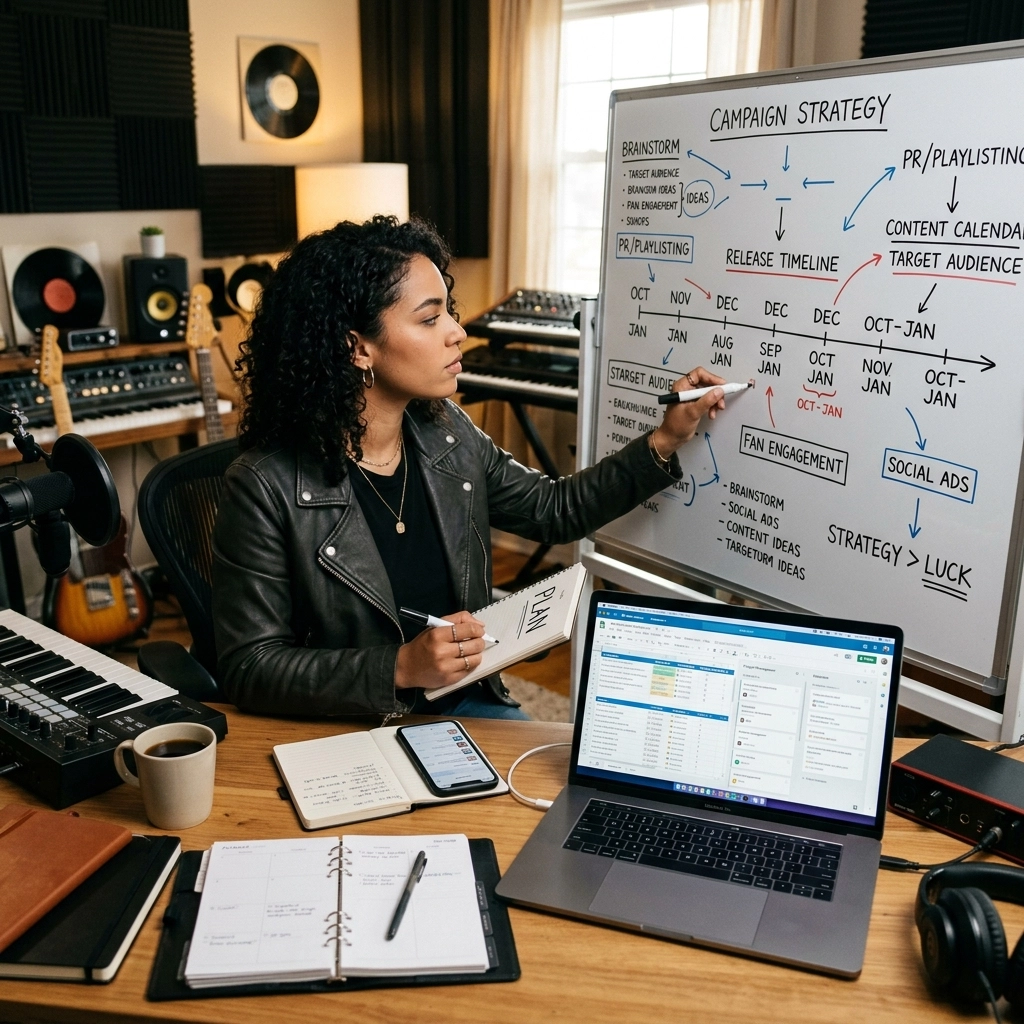
Our progress reflects a clear mission: transform opportunity into measurable growth through innovative marketing, music industry consulting, and dynamic creative services.
Academy Fall 2026 Enrollment Builds Week-One Momentum
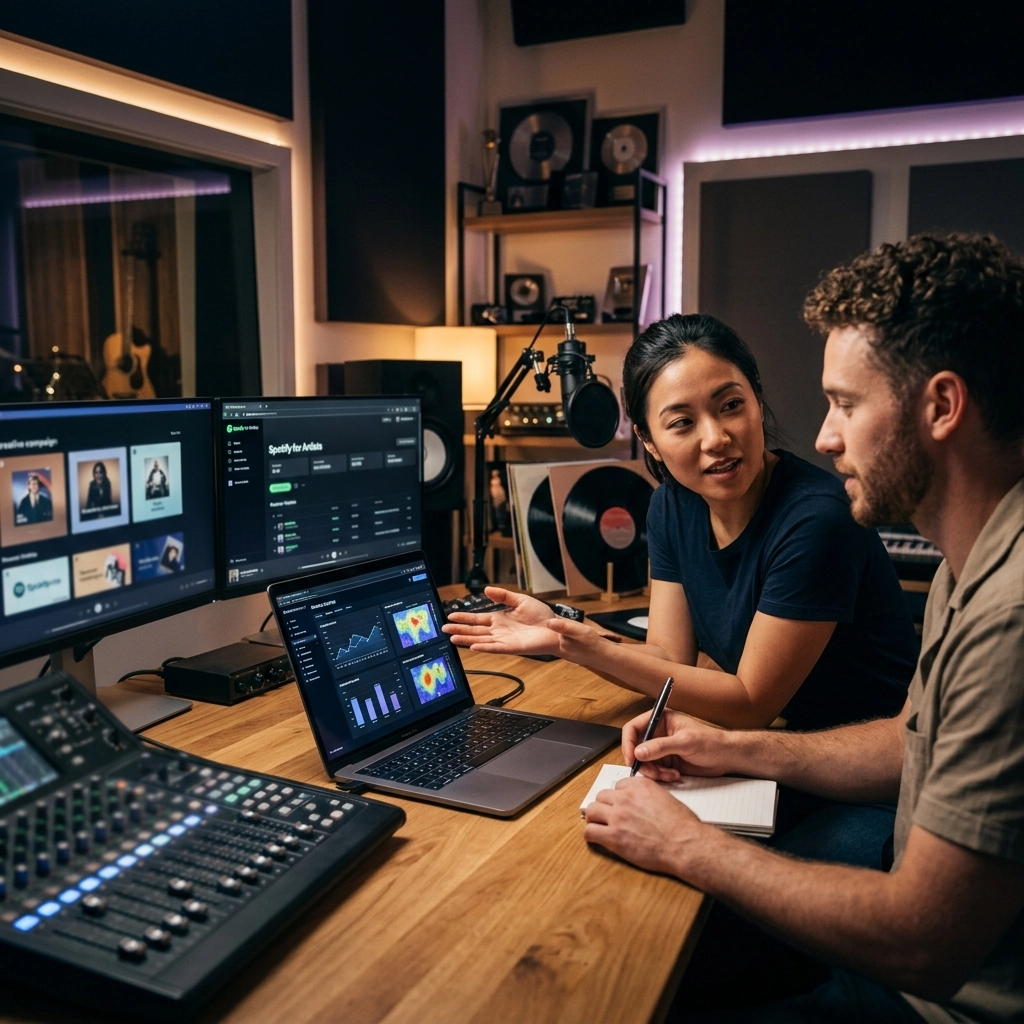
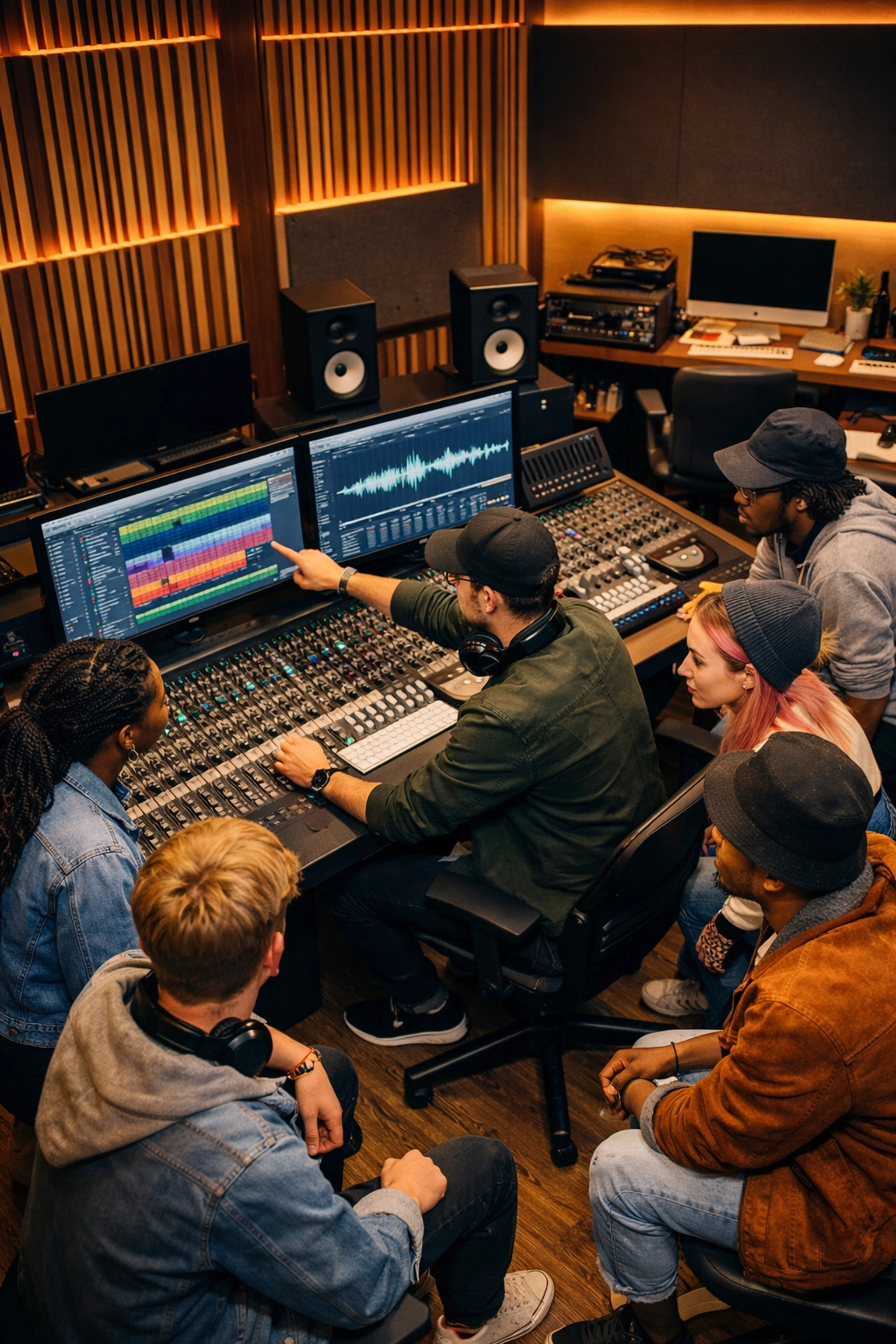
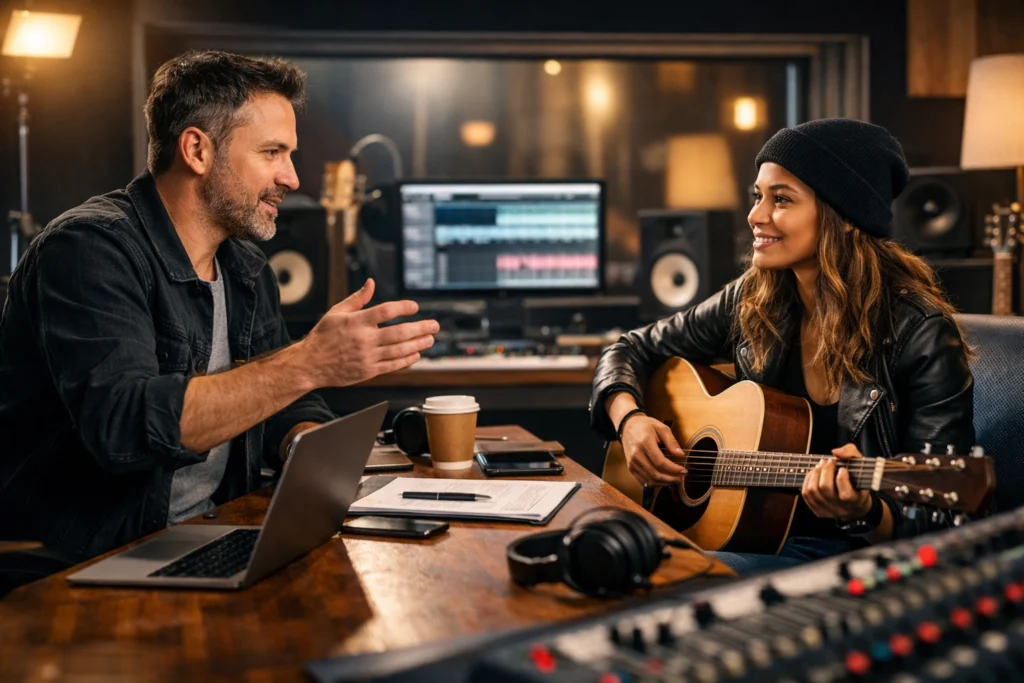
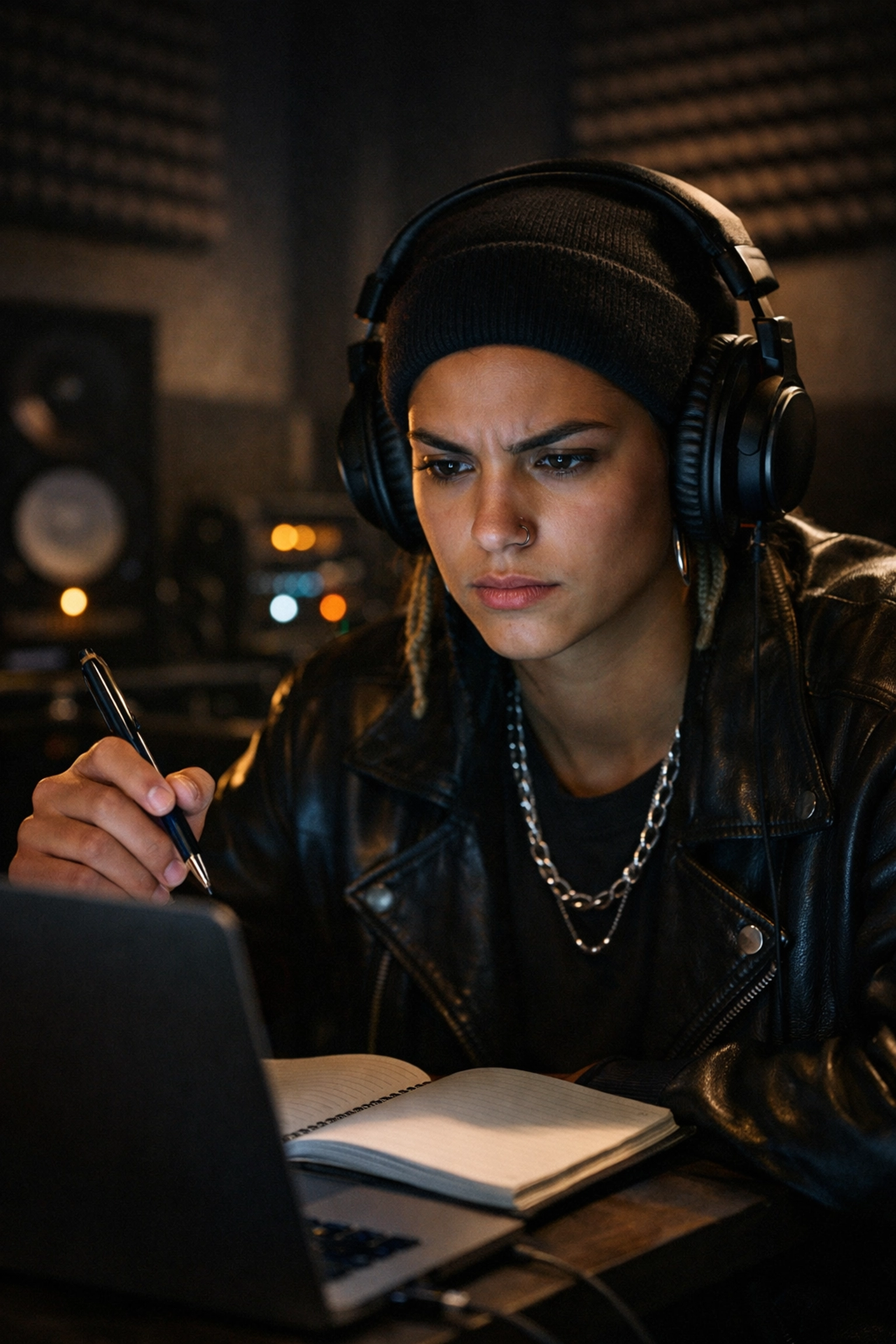
The Tunes On Top Academy Fall 2026 enrollment period officially opened on August 15, 2026. The first week is generating strong activity from emerging artists, managers, producers, independent acts, and music business entrepreneurs seeking practical strategies for sustainable career development.
With more than 500 alumni, the Academy has established a growing community of professionals who understand that a successful music career requires more than talent. It requires positioning, audience development, business discipline, technology fluency, and consistent execution.

The expanded Fall curriculum is designed to help students connect creative vision with commercial opportunity. Key learning areas include:
- AI ethics: Understanding responsible, transparent, and artist-centered use of artificial intelligence.
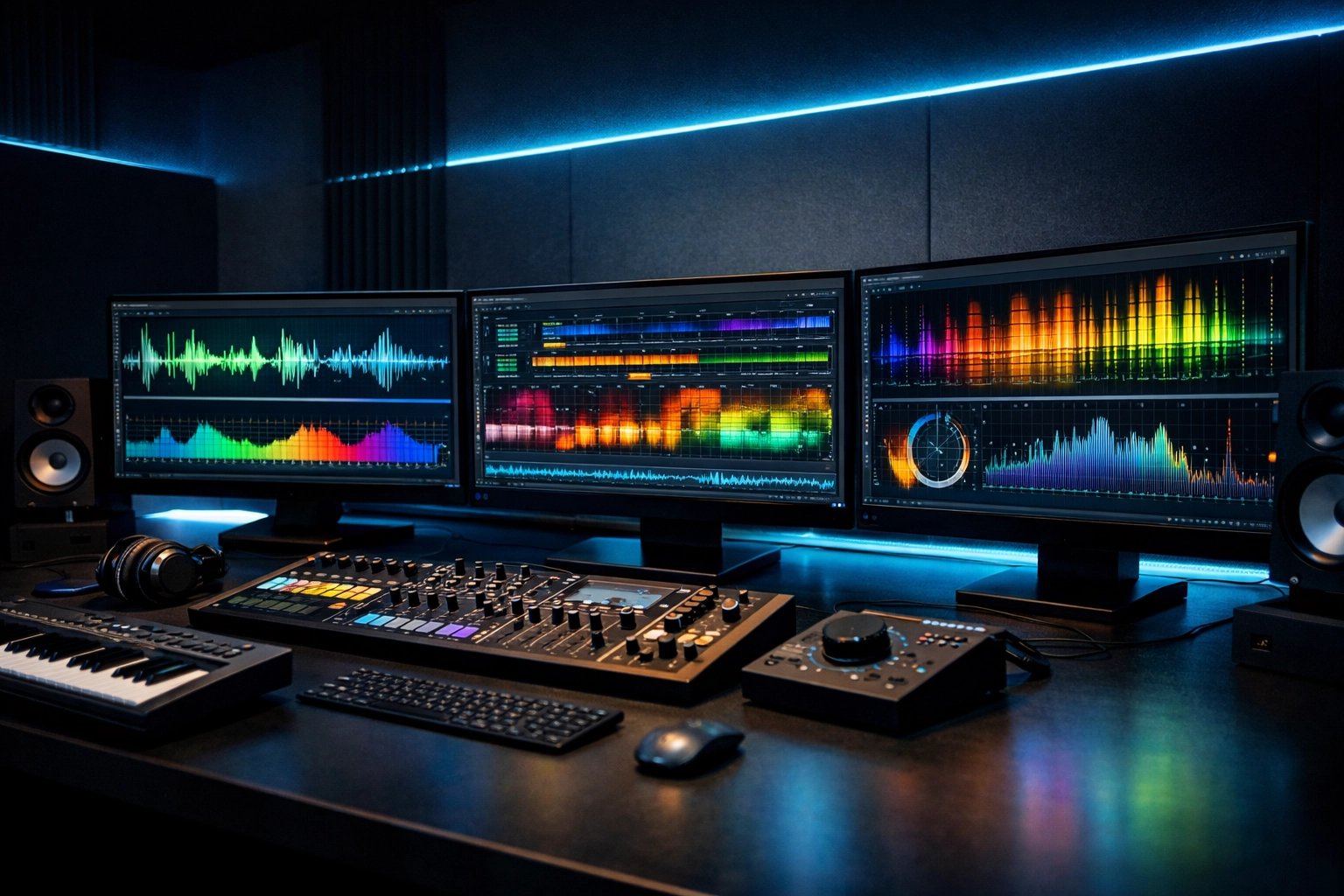
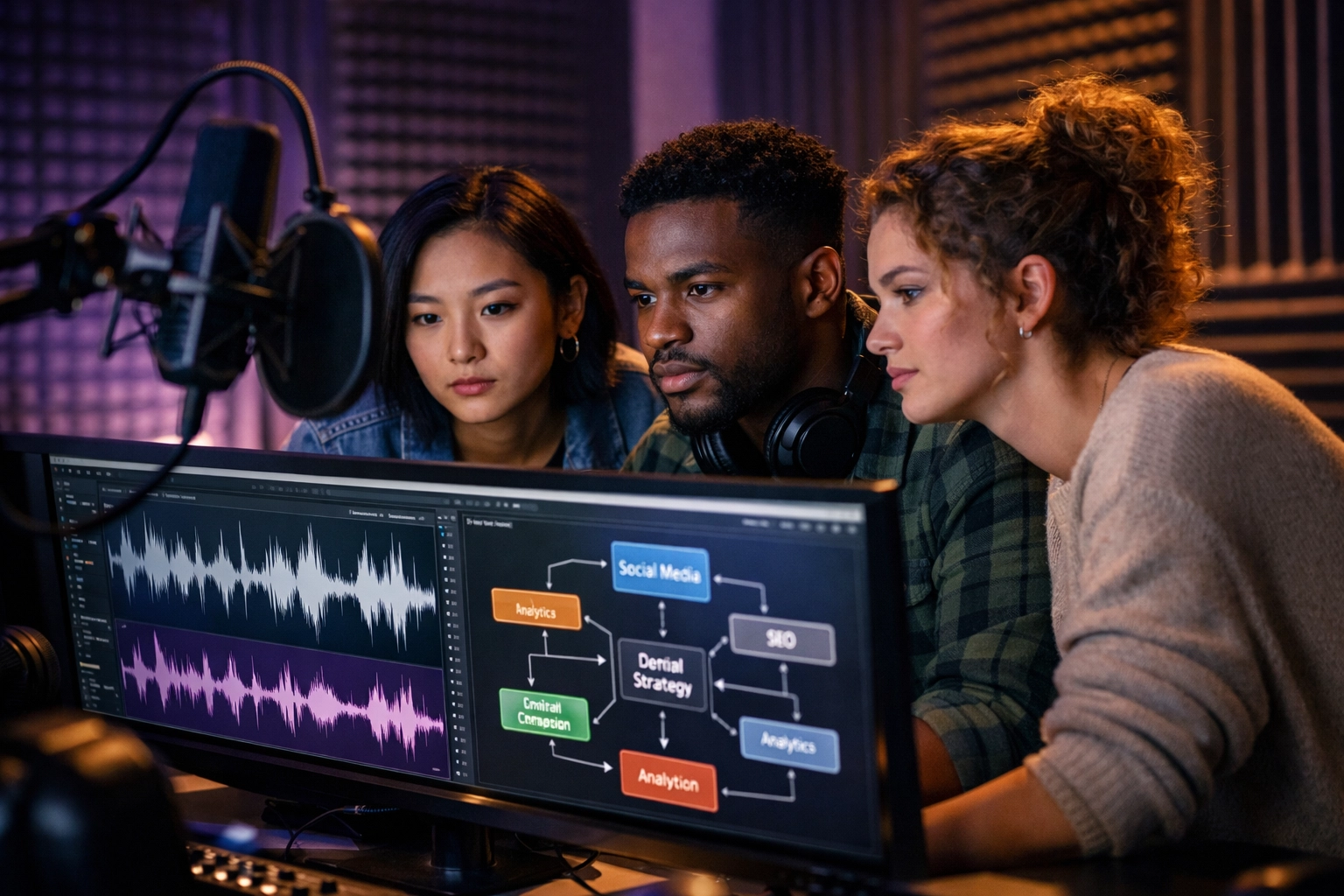
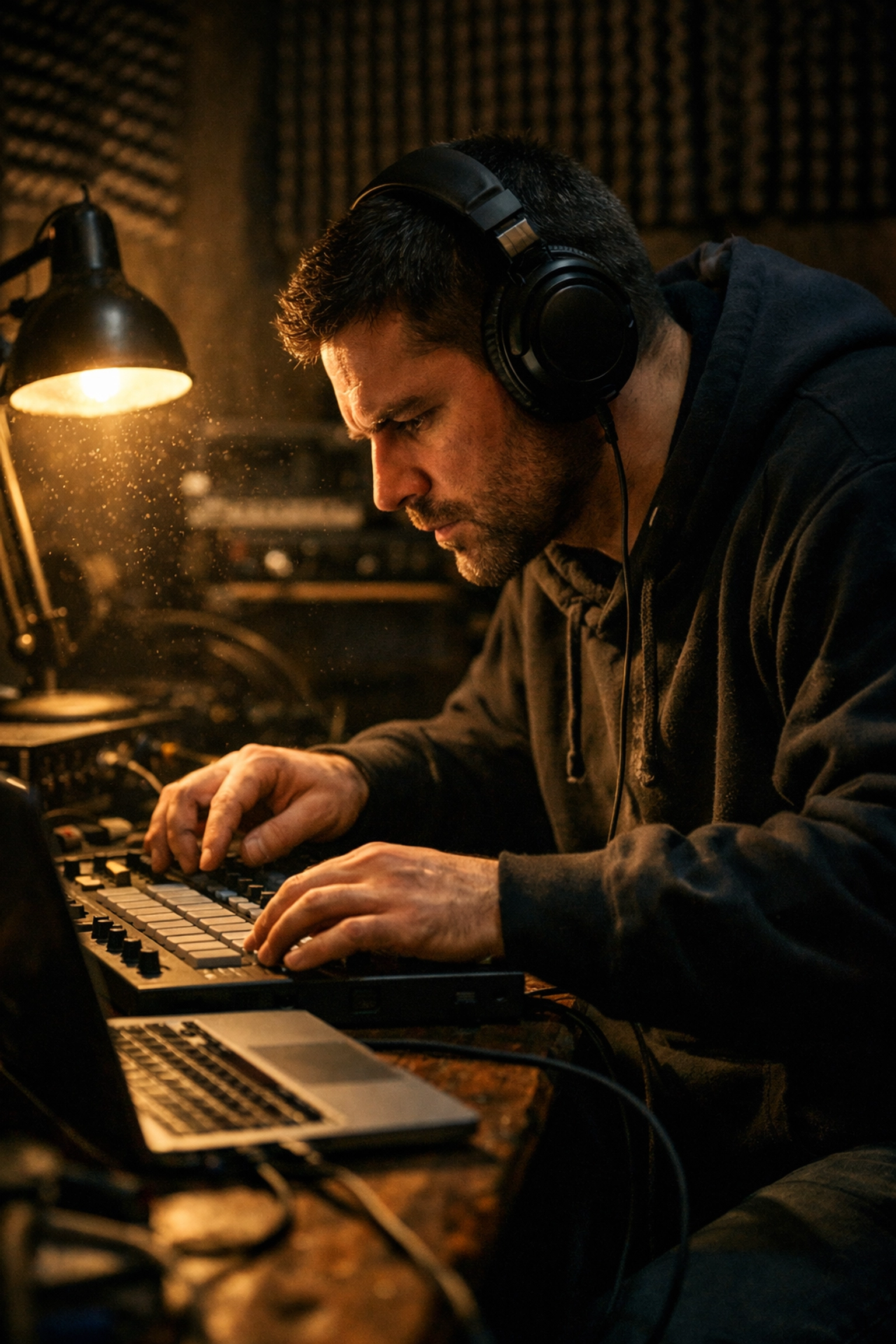
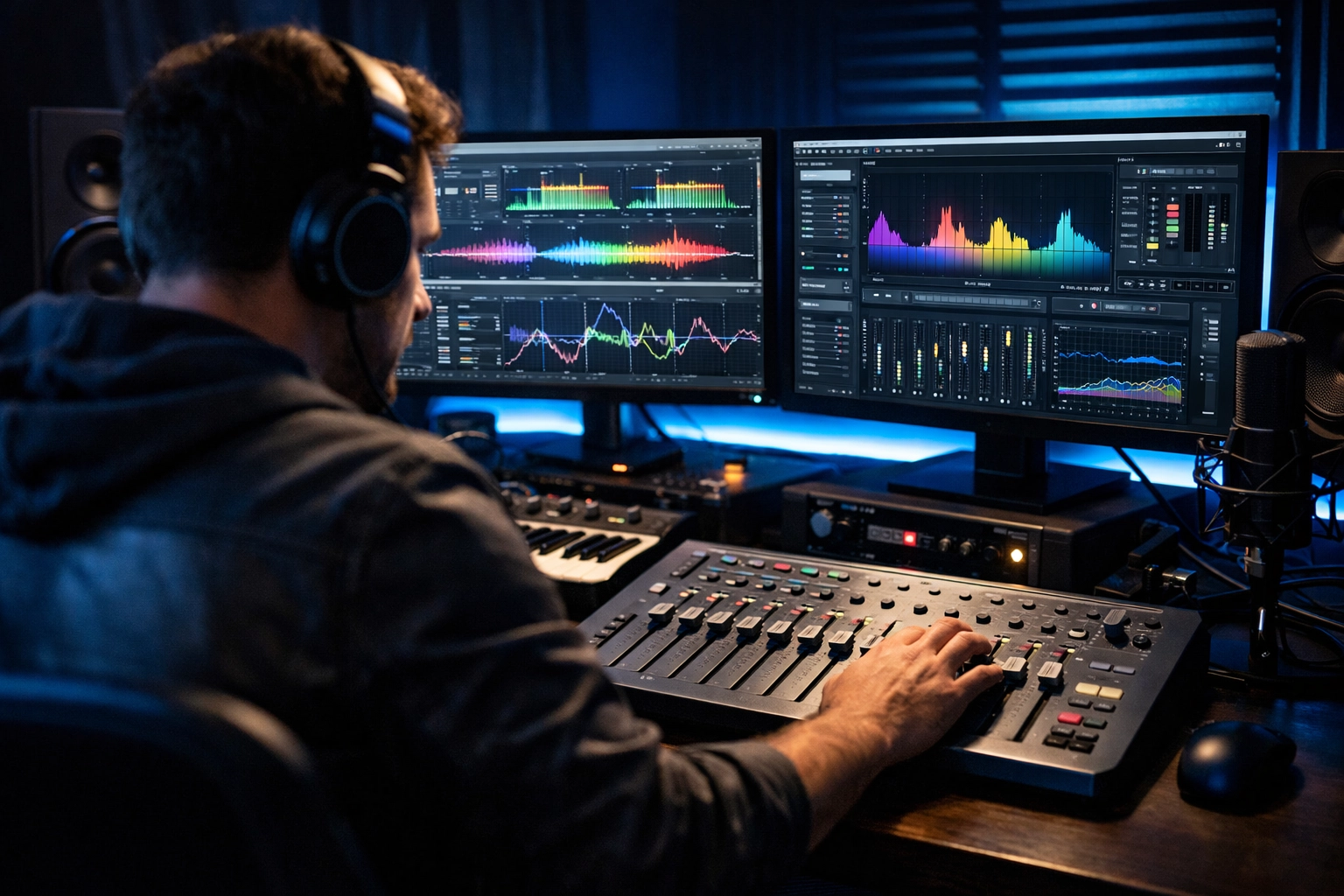
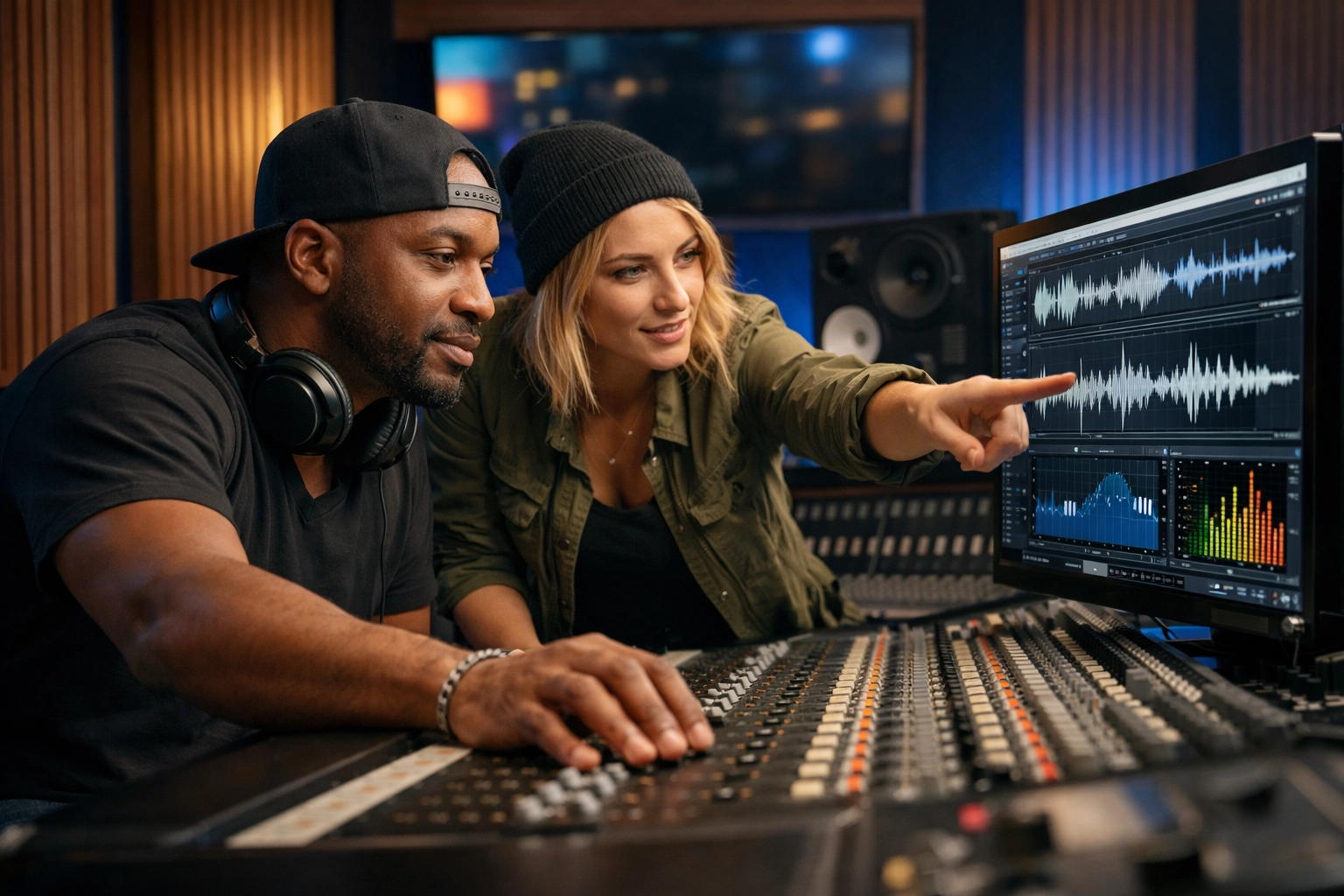
- AI-driven music production: Exploring AI-assisted workflows for song analysis, vocal production, creative development, and efficiency.
- Advanced sync licensing: Preparing music for film, television, digital media, advertising, and other placement opportunities.
- Sponsorship strategy: Building partnership proposals and identifying authentic brand integration opportunities.
- Artist branding: Developing a clear, credible identity that supports long-term audience growth.
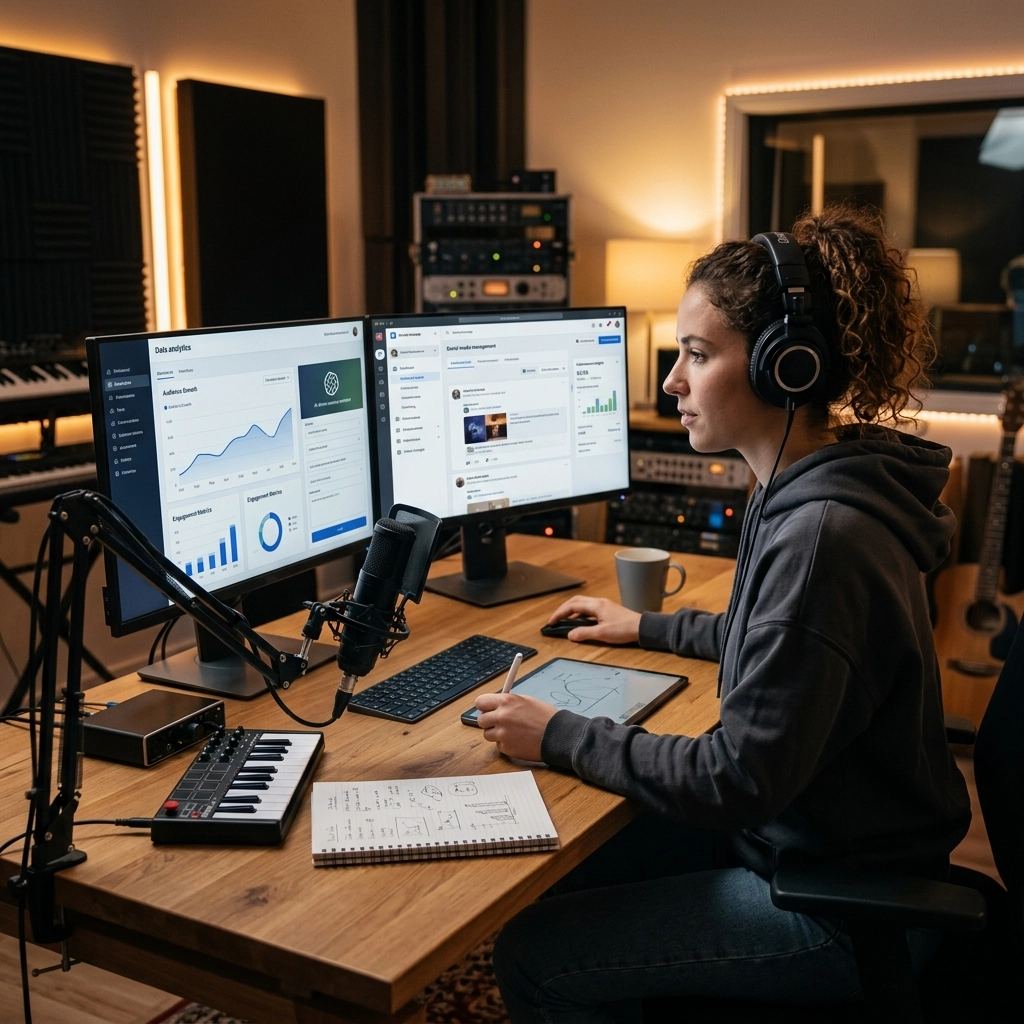
- Audience development: Converting attention into engaged communities across digital platforms.
- Music business fundamentals: Strengthening knowledge of publishing, licensing, distribution, agreements, revenue, and professional operations.
The Academy delivers an actionable foundation for independent artist marketing and modern music entrepreneurship. Students are not simply learning what is changing in the industry. They are preparing to lead it.
Visit the Tunes On Top news and blog archive for continuing Academy updates and enrollment announcements.
SDVOSB Certification Reinforces Veteran-Led Leadership
Tunes On Top’s Service-Disabled Veteran-Owned Small Business (SDVOSB) certification reinforces the company’s veteran-led foundation and expands its ability to engage with supplier-diversity programs, corporate procurement teams, public-sector organizations, and strategic partners.
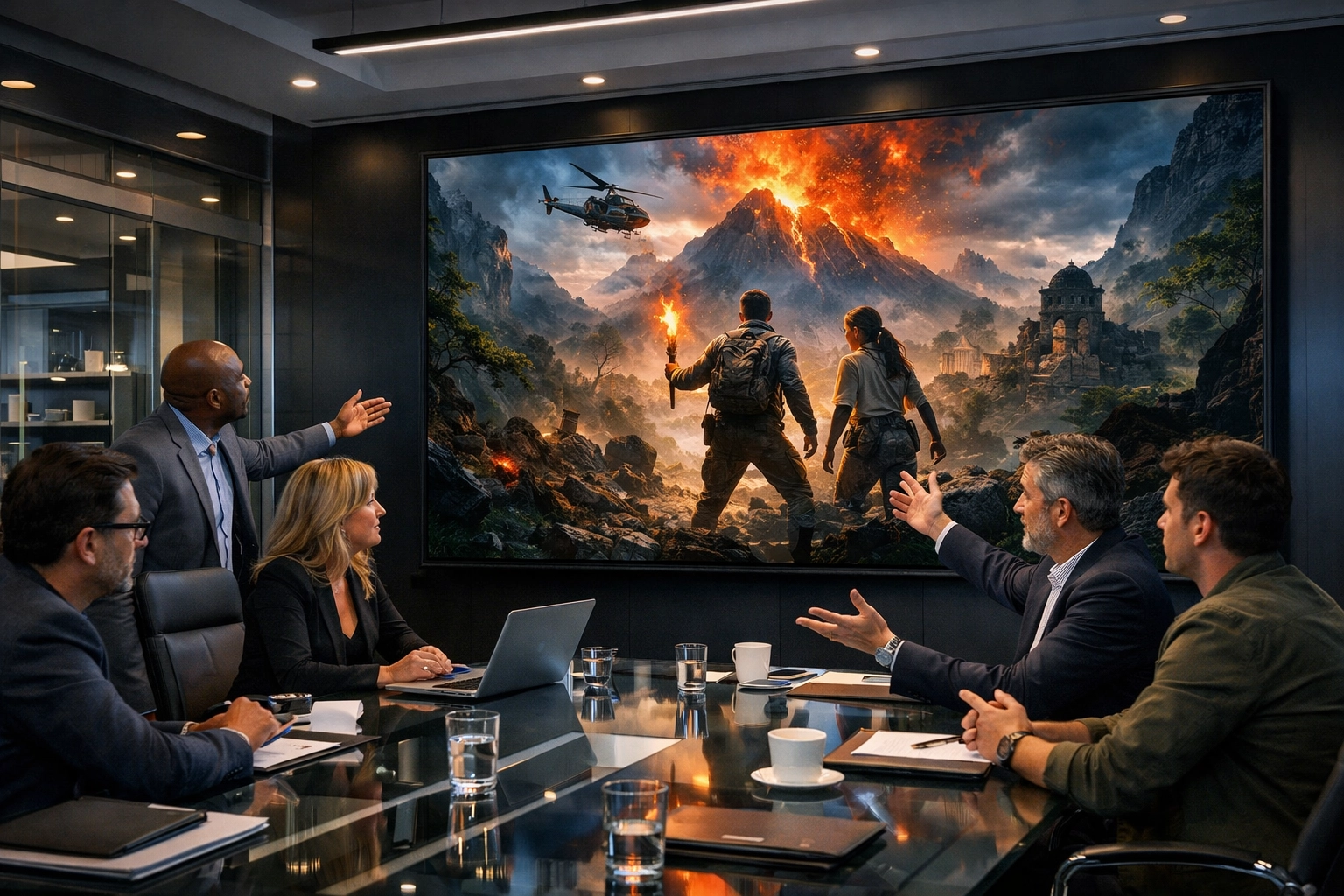
This milestone strengthens our position as a creative services provider capable of supporting media production, music-driven campaigns, communications initiatives, brand activations, and entertainment partnerships.
For corporate and procurement leaders, SDVOSB certification can create a more direct path to qualified creative collaboration. For public-sector organizations and prime contractors, it provides an opportunity to align mission-driven purchasing with high-impact entertainment and marketing execution.
The U.S. Small Business Administration explains that certified SDVOSBs may compete for federal sole-source and set-aside contracts. Organizations seeking official program details can review the SBA’s SDVOSB and Veteran Small Business Certification resources.
Our certification is more than a designation. It is a platform for expanded collaboration, disciplined operations, and new partnership development.
Band Makeover Season 2 Advances Into Pre-Production
Band Makeover Season 2 : Upcoming / In Pre-Production
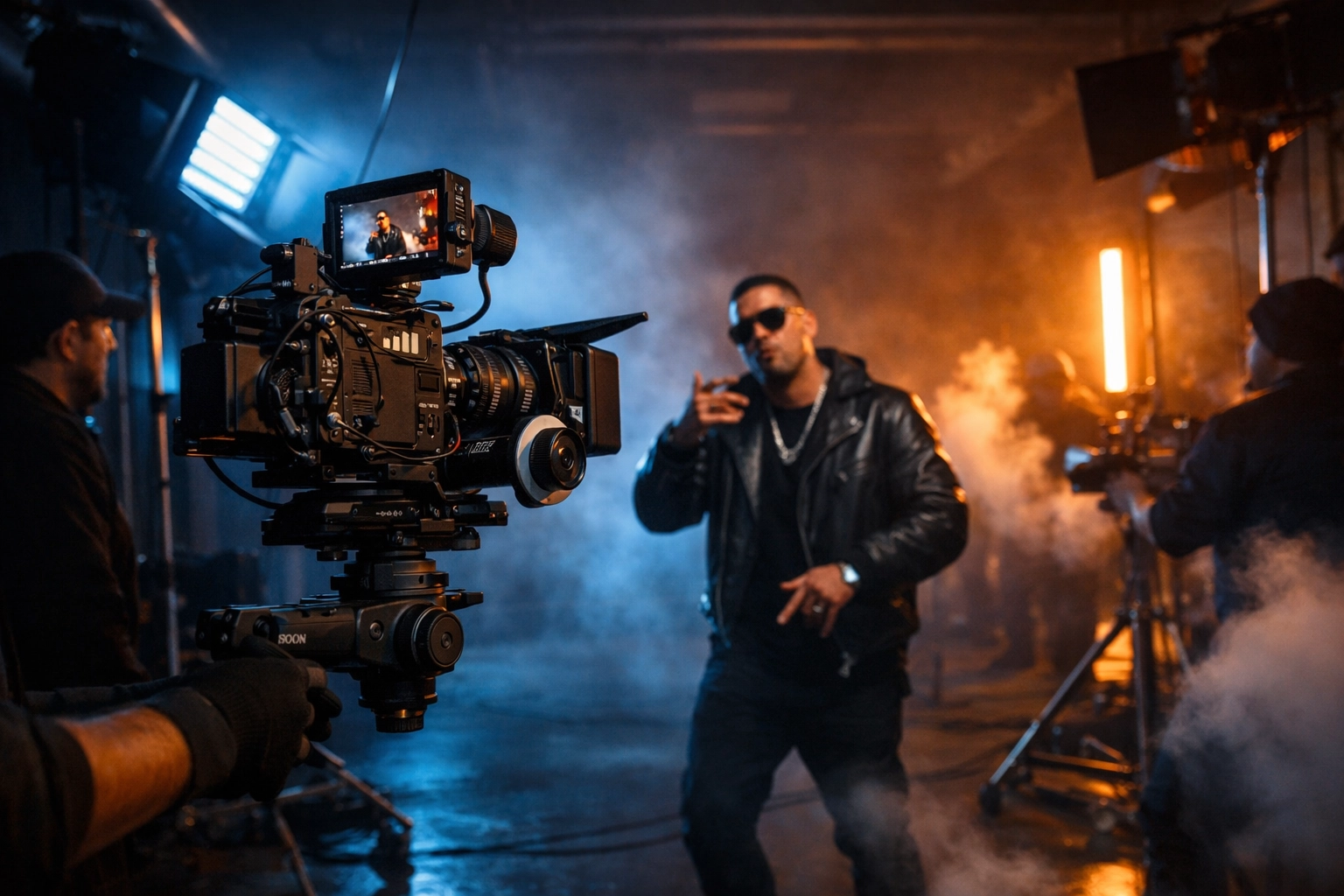
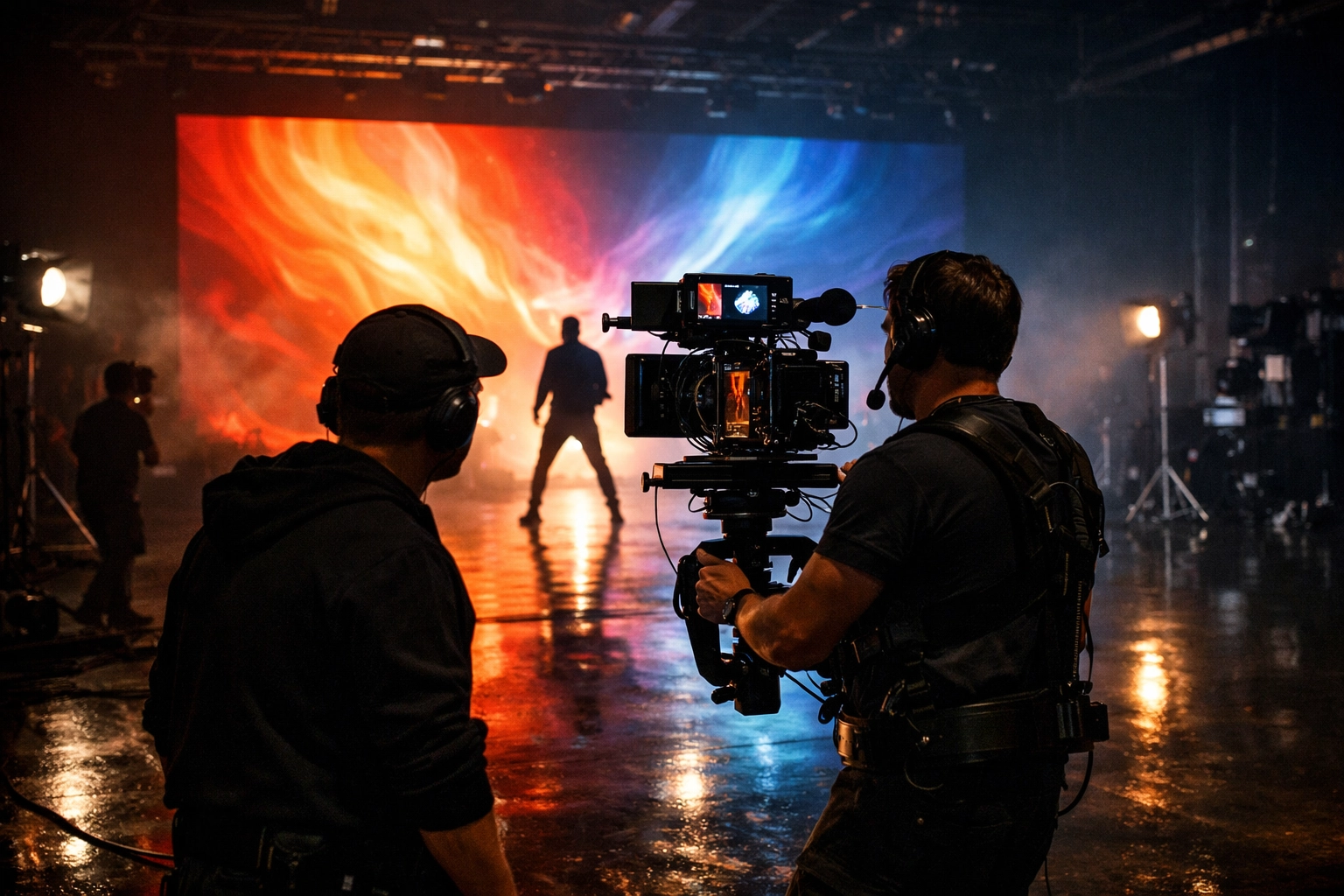
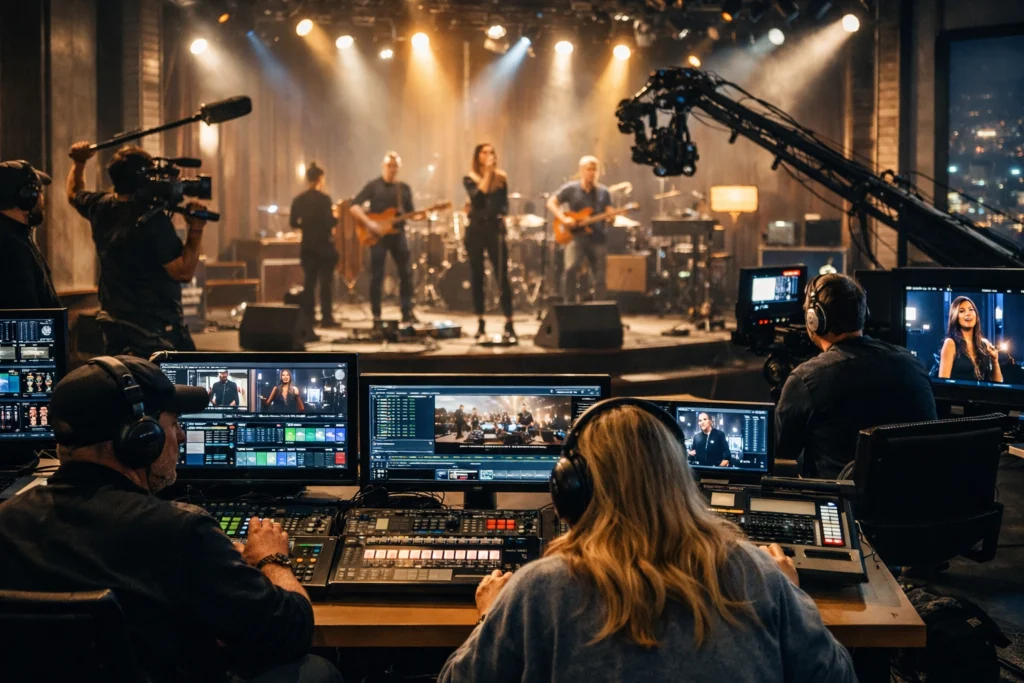
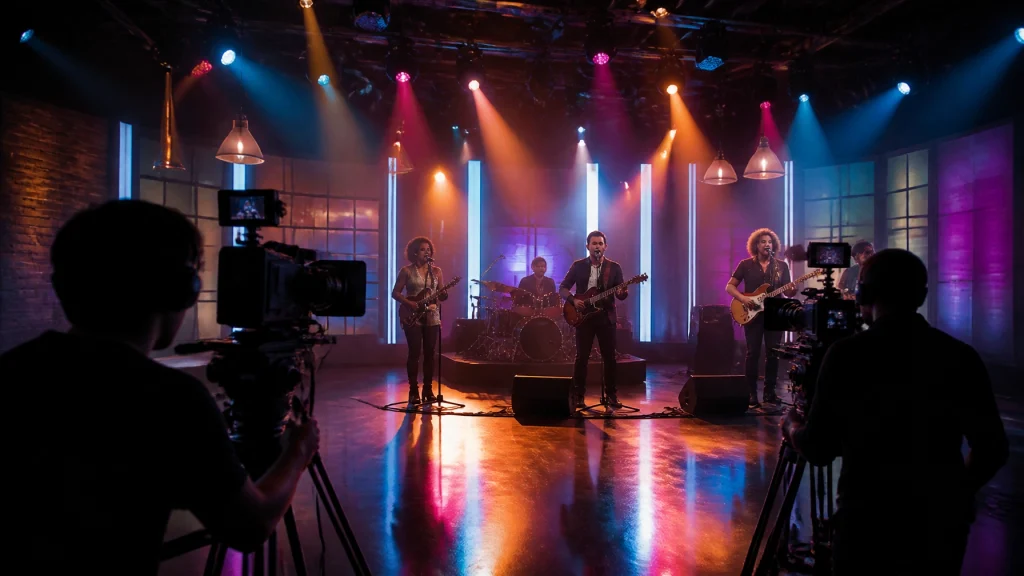
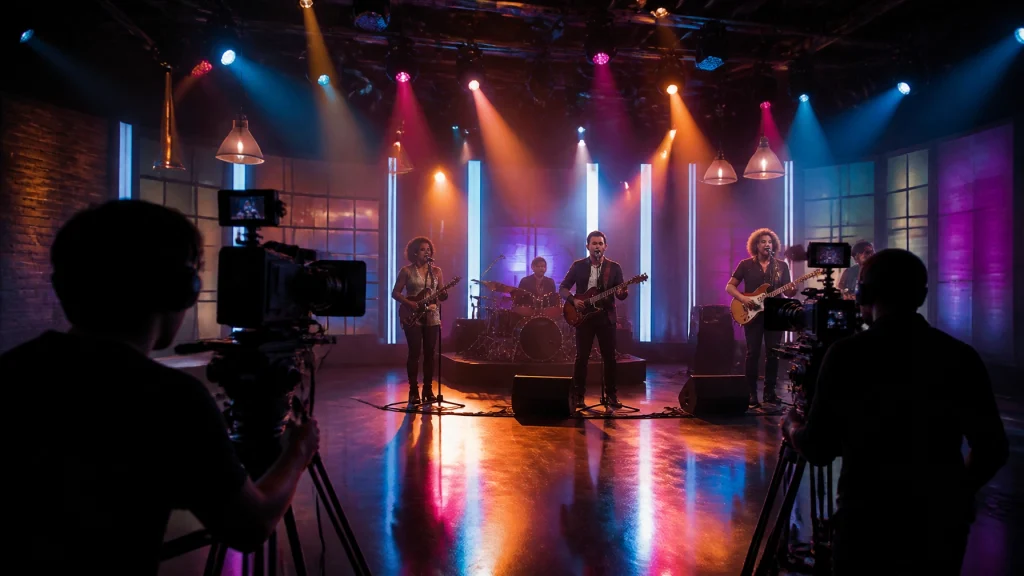
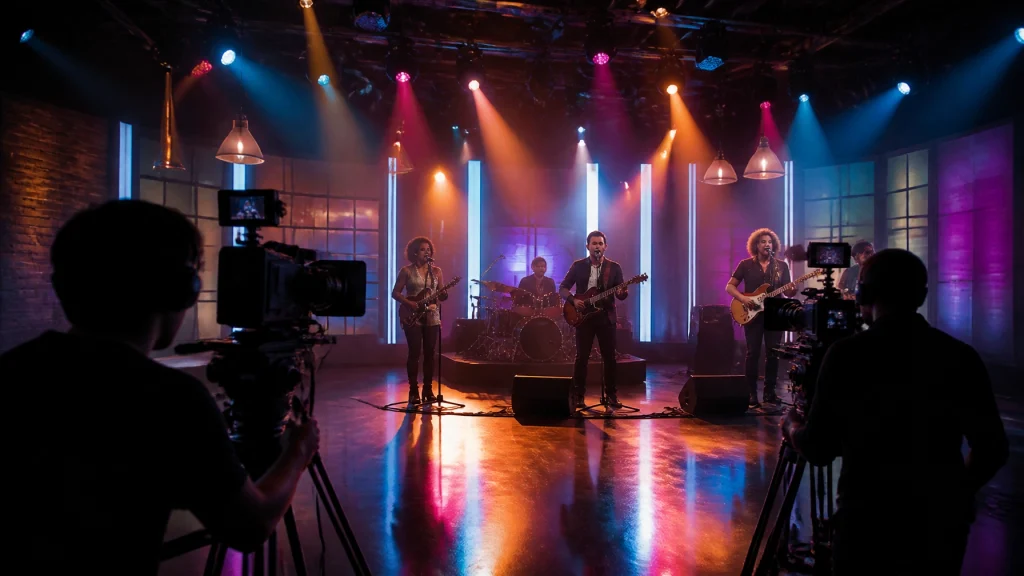
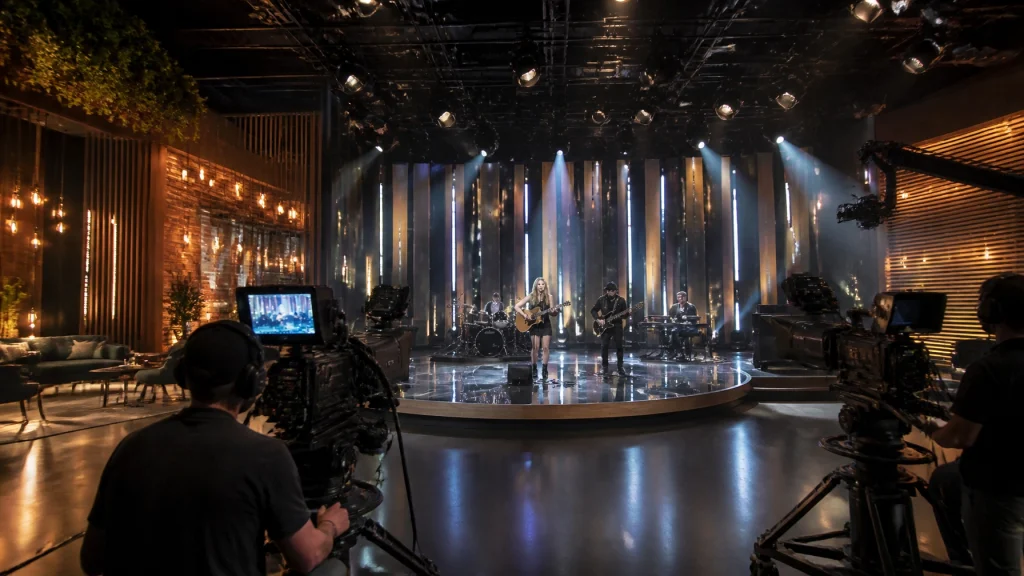
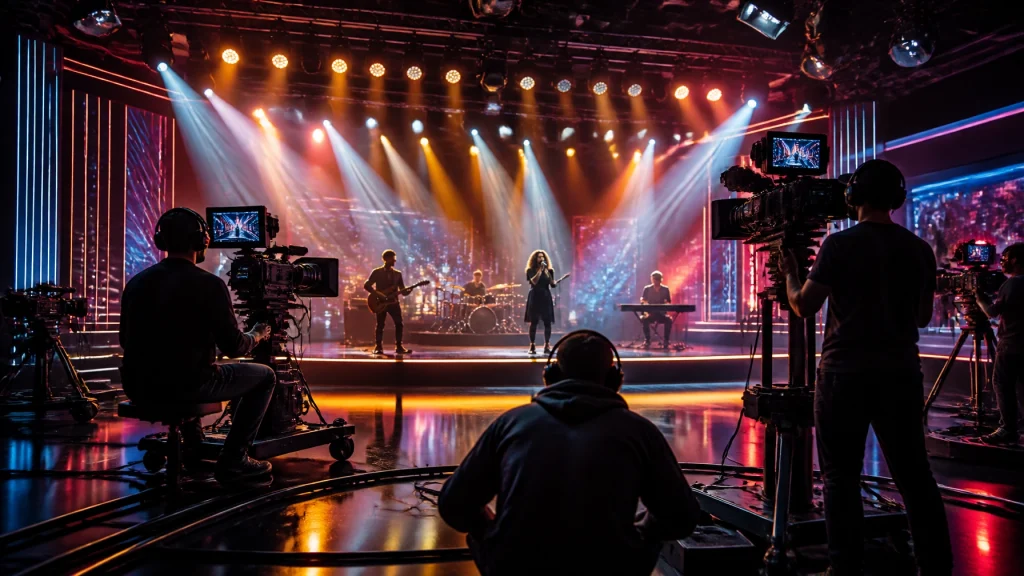
The top 10 independent acts selected for Band Makeover Season 2 are now moving through pre-production. This phase is building the creative, production, and brand-integration framework for the next chapter of the transformative music television series.
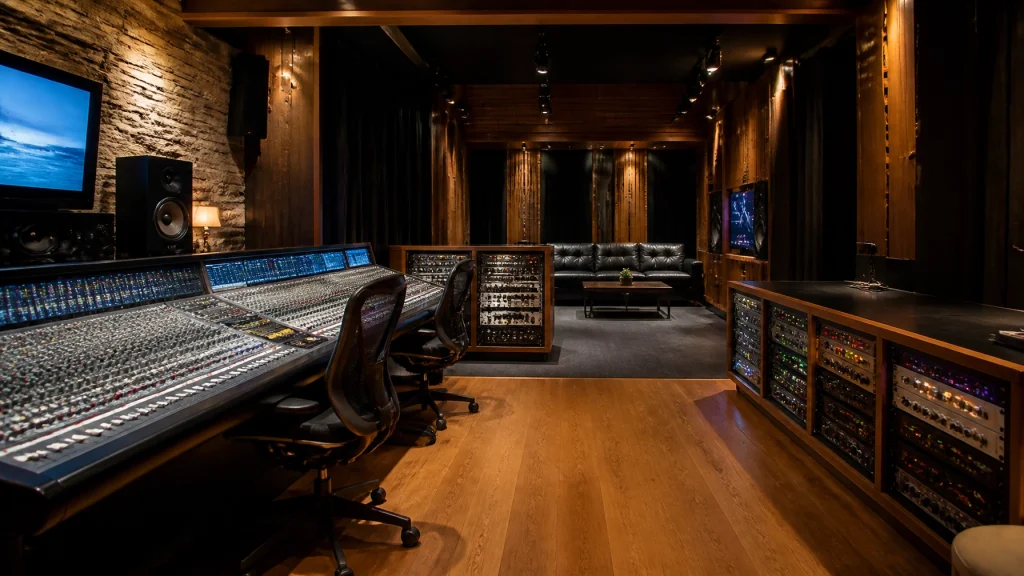
The selected acts will receive a focused environment for artist development, storytelling, performance preparation, branding, and audience positioning. The production is designed to show how independent artists can amplify their reach when creative direction and business strategy work together.

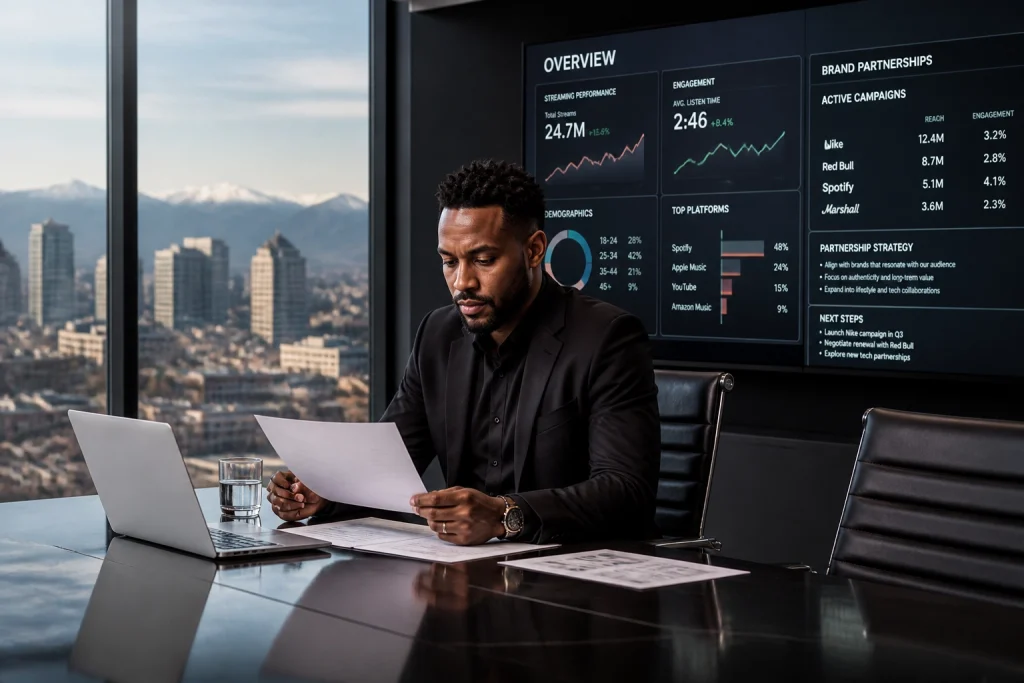
Band Makeover Season 2 also offers a high-value platform for brands seeking meaningful music-driven experiences. Potential sponsorship activations include:
- Artist development segments
- Music technology integrations
- Apparel and lifestyle partnerships
- Studio collaborations
- Branded digital content
- Live showcase activations
- Product placement connected to authentic artist stories
These opportunities allow brands to participate in the artist journey rather than interrupt it. Tunes On Top develops partnerships around relevance, narrative value, audience connection, and measurable objectives.
My Wedding DJ Locked for Fall 2026 Premiere
My Wedding DJ : Upcoming / Fall 2026 Premiere
Production and post-production milestones have positioned My Wedding DJ for a Fall 2026 premiere. The series celebrates the DJs, performers, planners, and creative professionals who help make milestone celebrations unforgettable.
As the premiere window approaches, the series is creating new opportunities for lifestyle, technology, apparel, beverage, hospitality, event-services, and consumer brands.
Potential activations may include:
- DJ technology integrations
- Wedding and event lifestyle partnerships
- Sponsored digital storytelling
- Product demonstrations
- Audience engagement campaigns
- Live event and showcase extensions
My Wedding DJ gives brands a natural way to connect with audiences through emotion, celebration, music, and shared experiences.
Summit Stage Productions Partnership Expands Live Event Integration
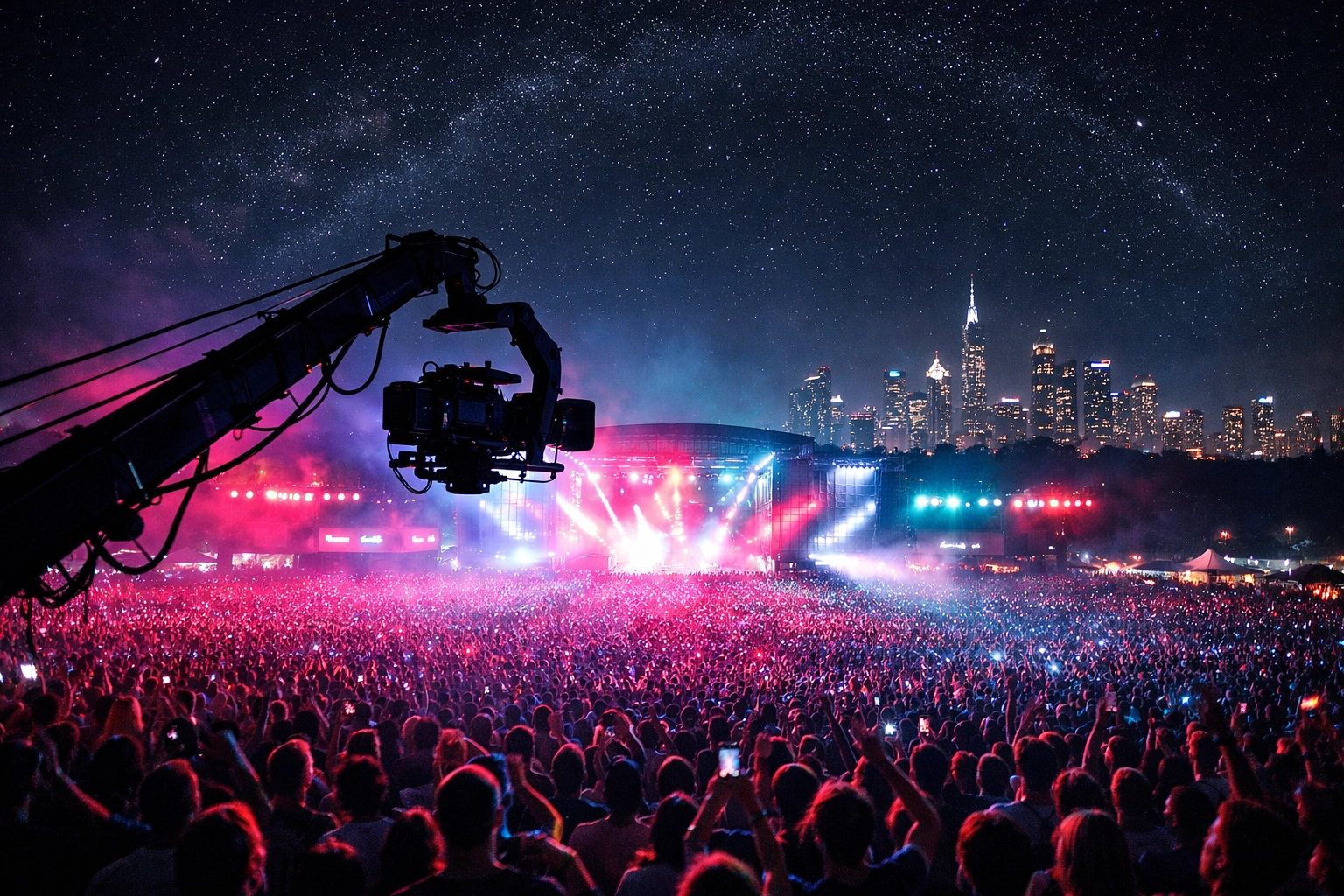
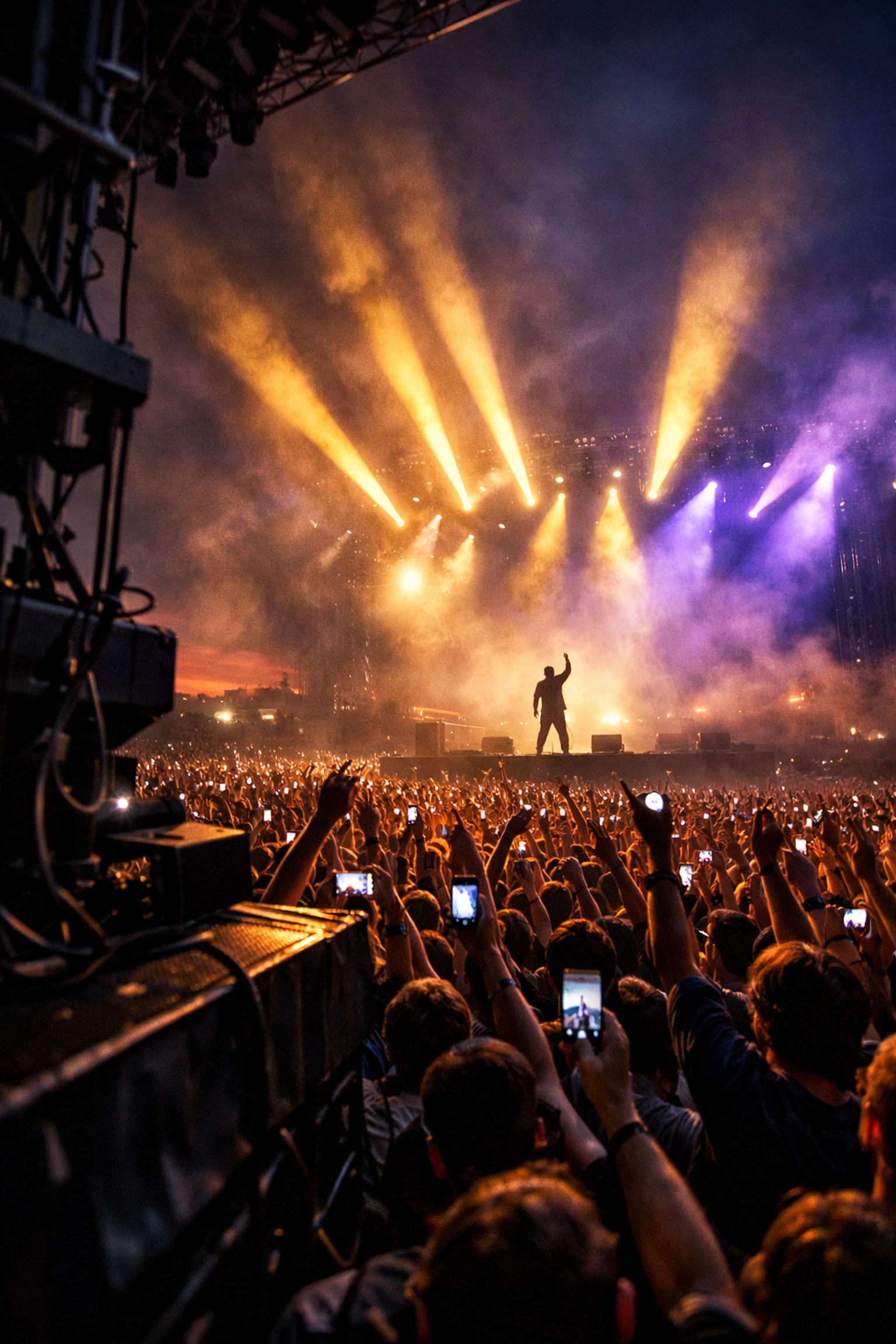
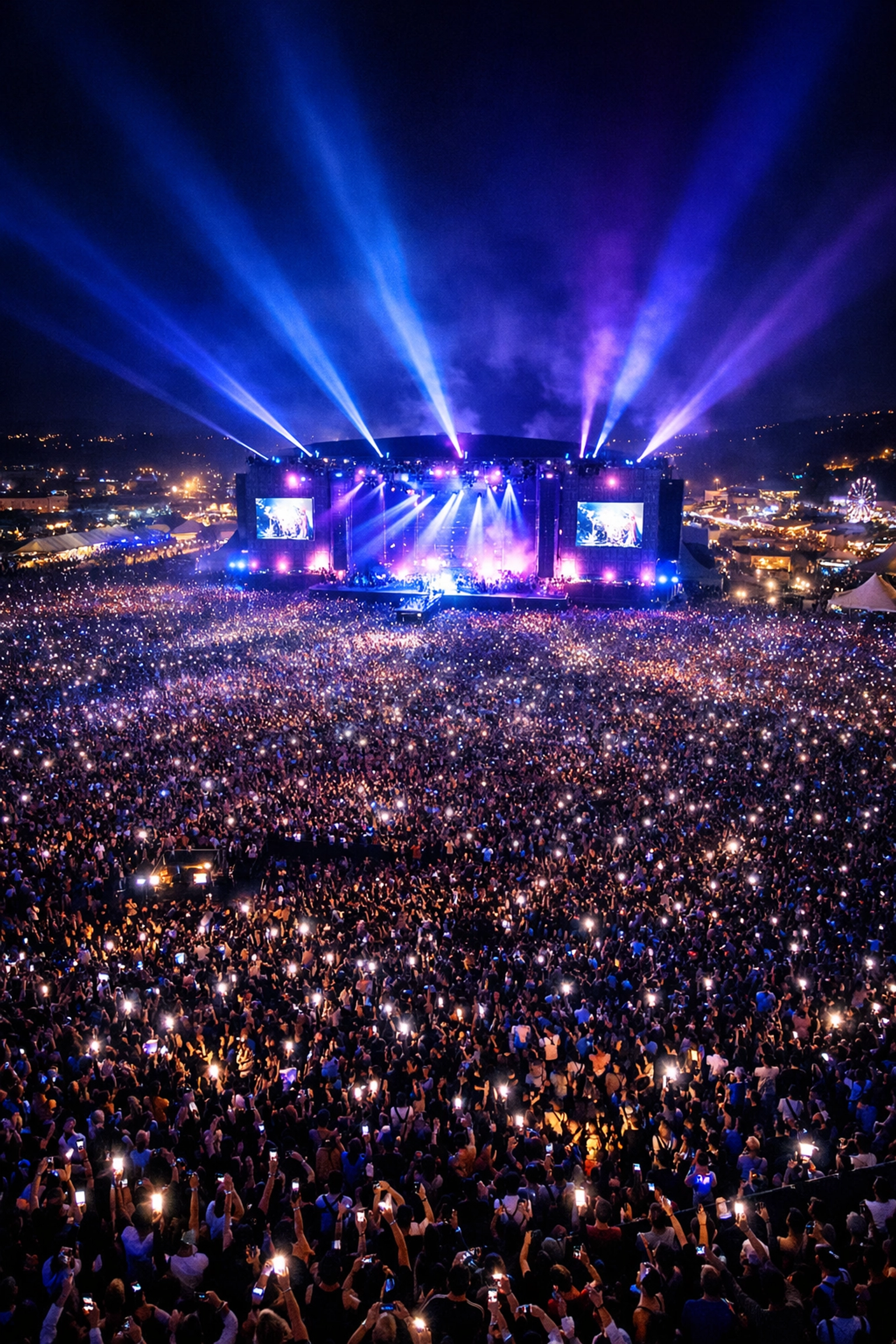
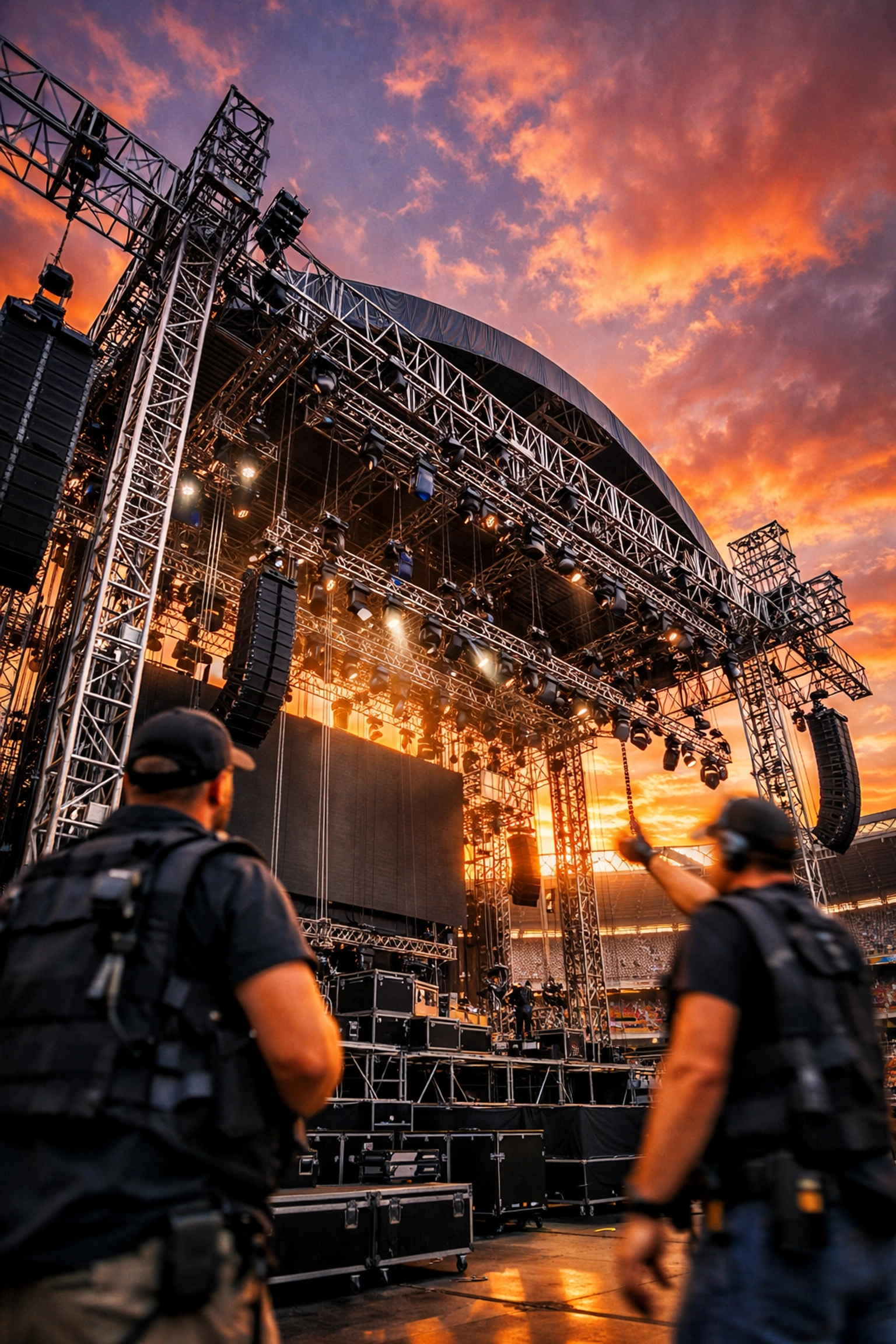
Tunes On Top is expanding its live entertainment capabilities through a strategic partnership with Summit Stage Productions.
The partnership supports live event integration across:
- Concerts
- Festivals
- Independent artist showcases
- Television production
- Brand-sponsored experiences
- Cross-platform entertainment campaigns

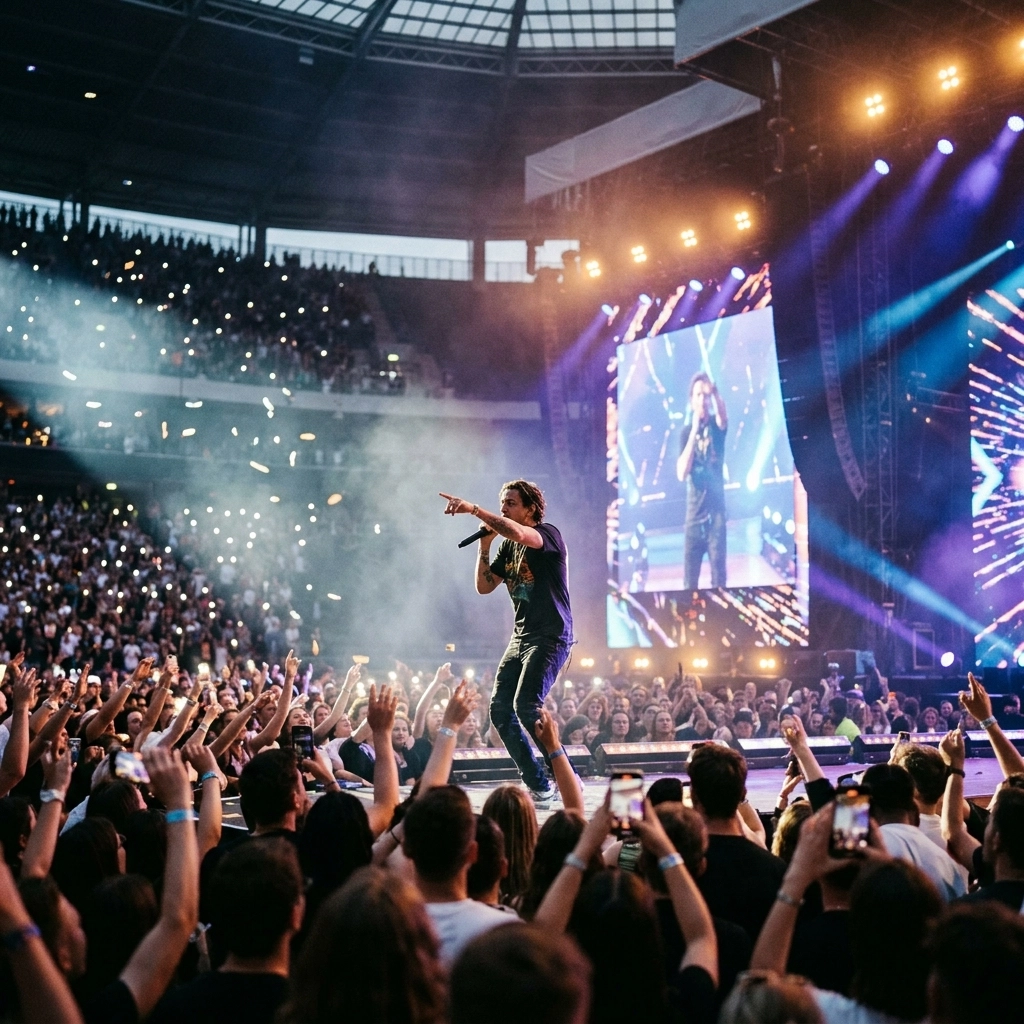
This collaboration strengthens the bridge between filmed entertainment and in-person audience engagement. Brands can now explore integrated campaigns that connect television storytelling, live performances, digital content, and experiential marketing.
For artists, the partnership creates additional opportunities to perform, build visibility, and participate in professionally produced showcases. For brands, it creates a more complete pathway from awareness to participation.
Responsible AI Innovation With Human Creative Direction
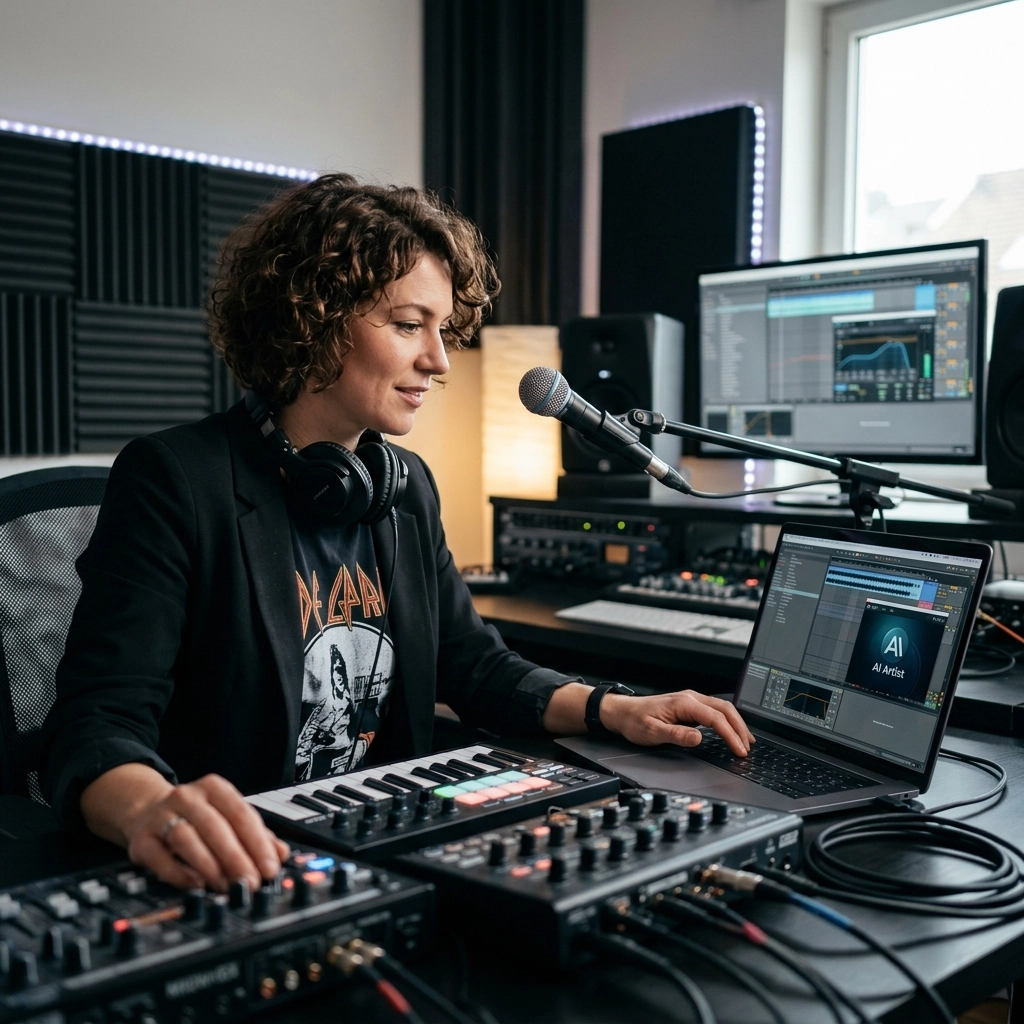
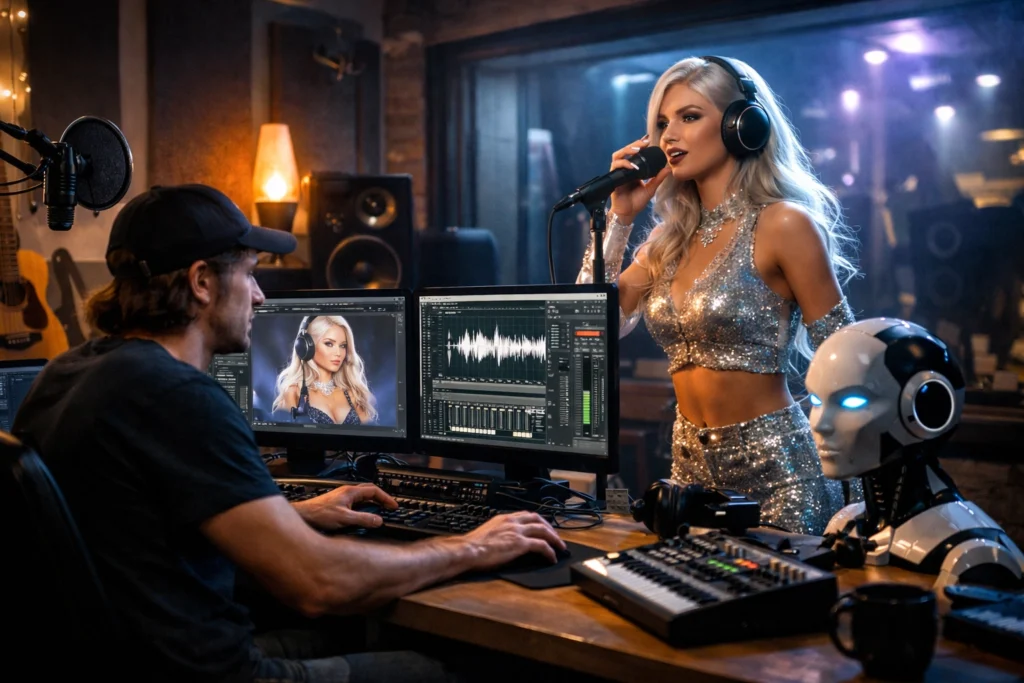
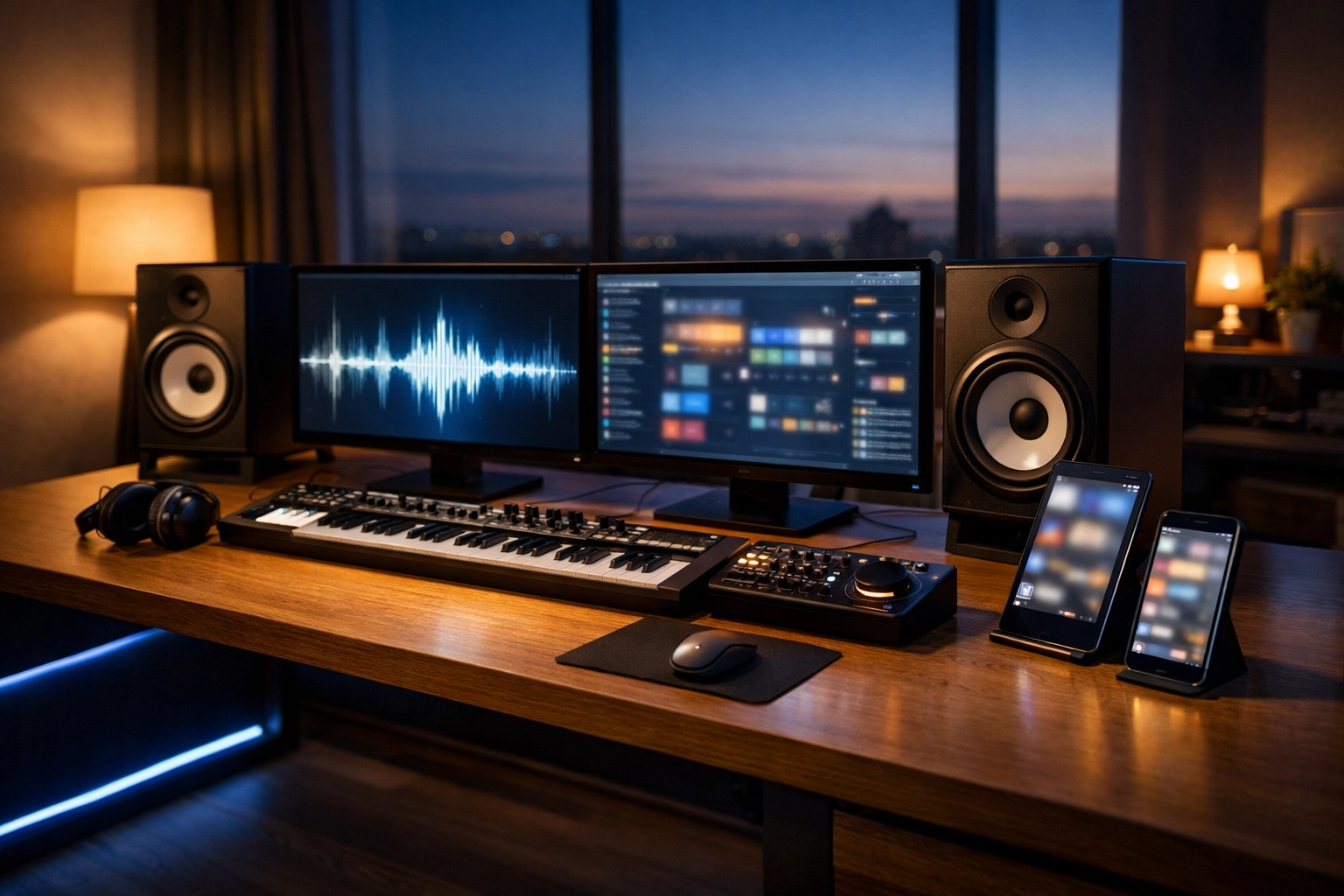
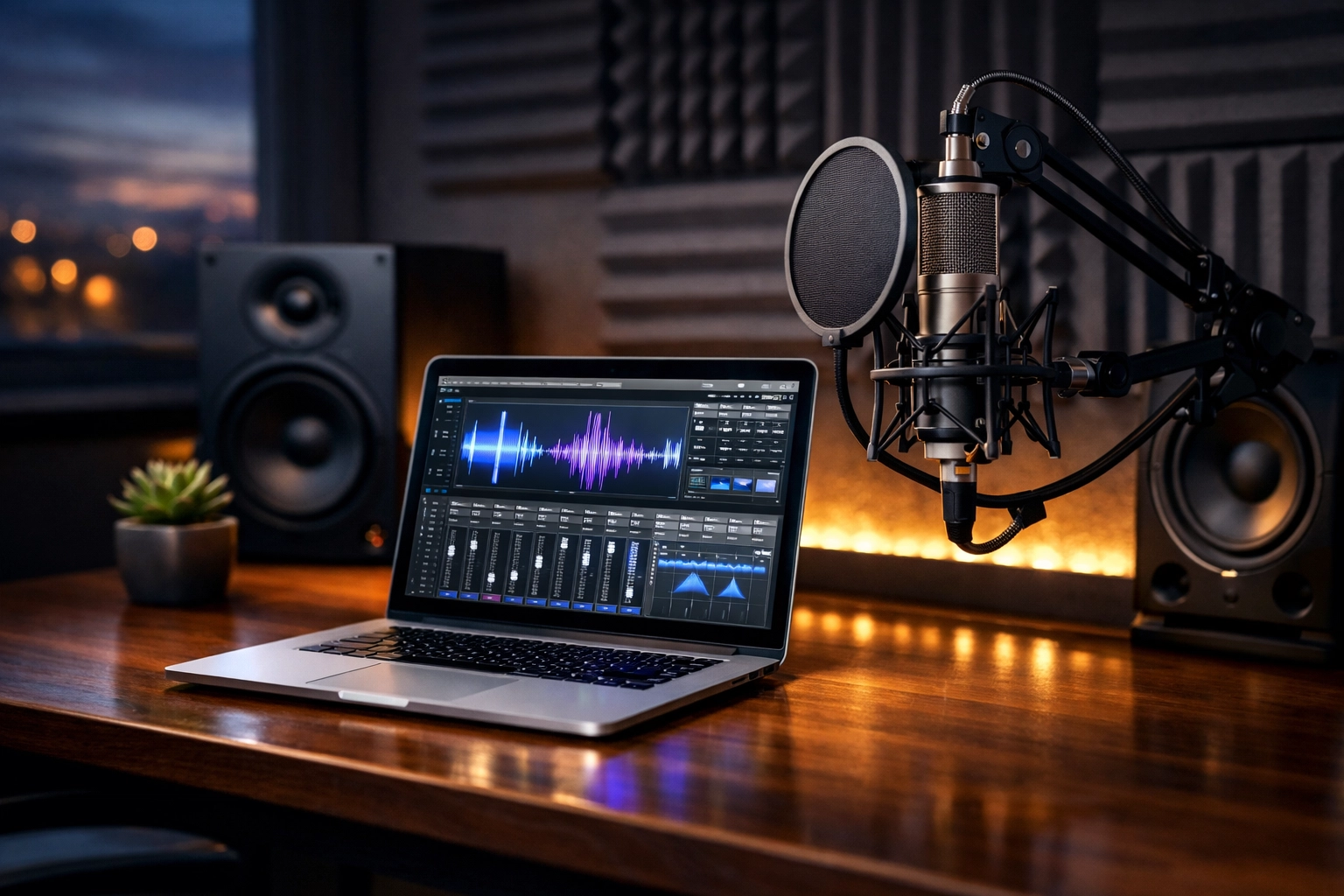
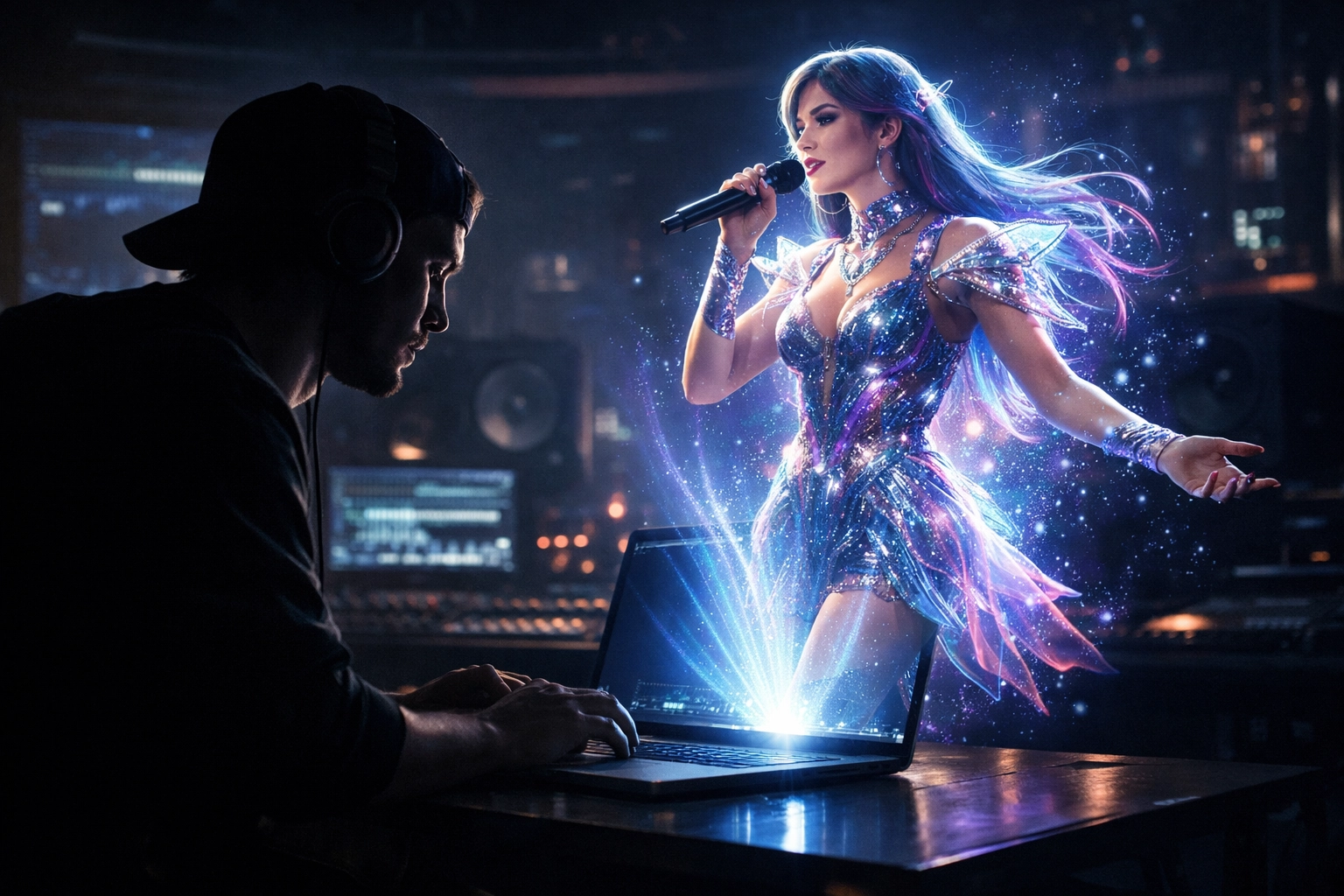
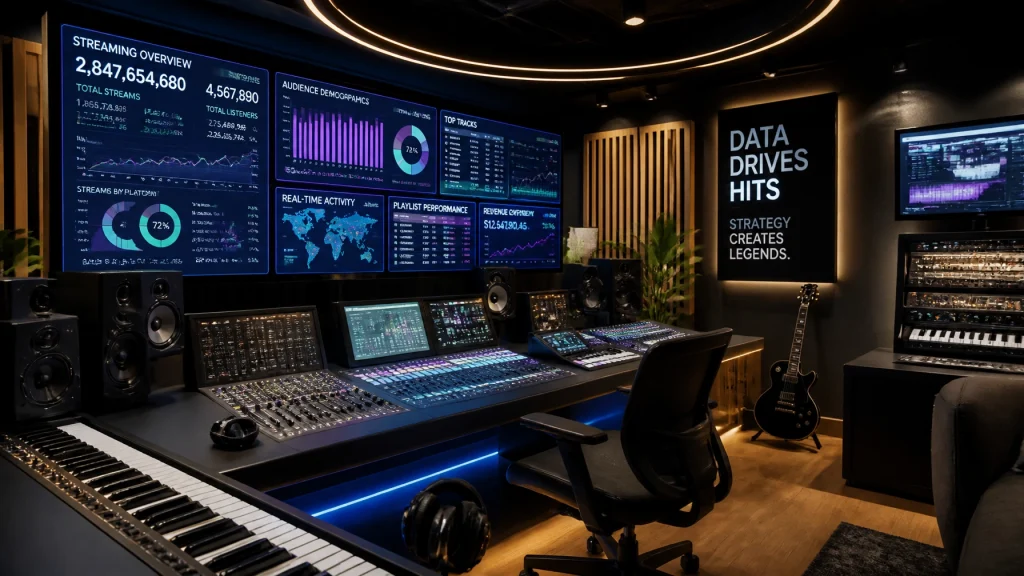
Tunes On Top continues to develop its AI Music Production Division through a responsible, transparent, and human-led framework.
The Verified Human Premium and Forte Methodology guide our approach to AI-assisted music production. These frameworks emphasize:
- Human creative direction
- Transparent production practices
- Ethical use of AI tools
- Artist control and accountability
- Distribution and rights awareness
- High-quality creative review
- Clear separation between technology assistance and artistic authorship

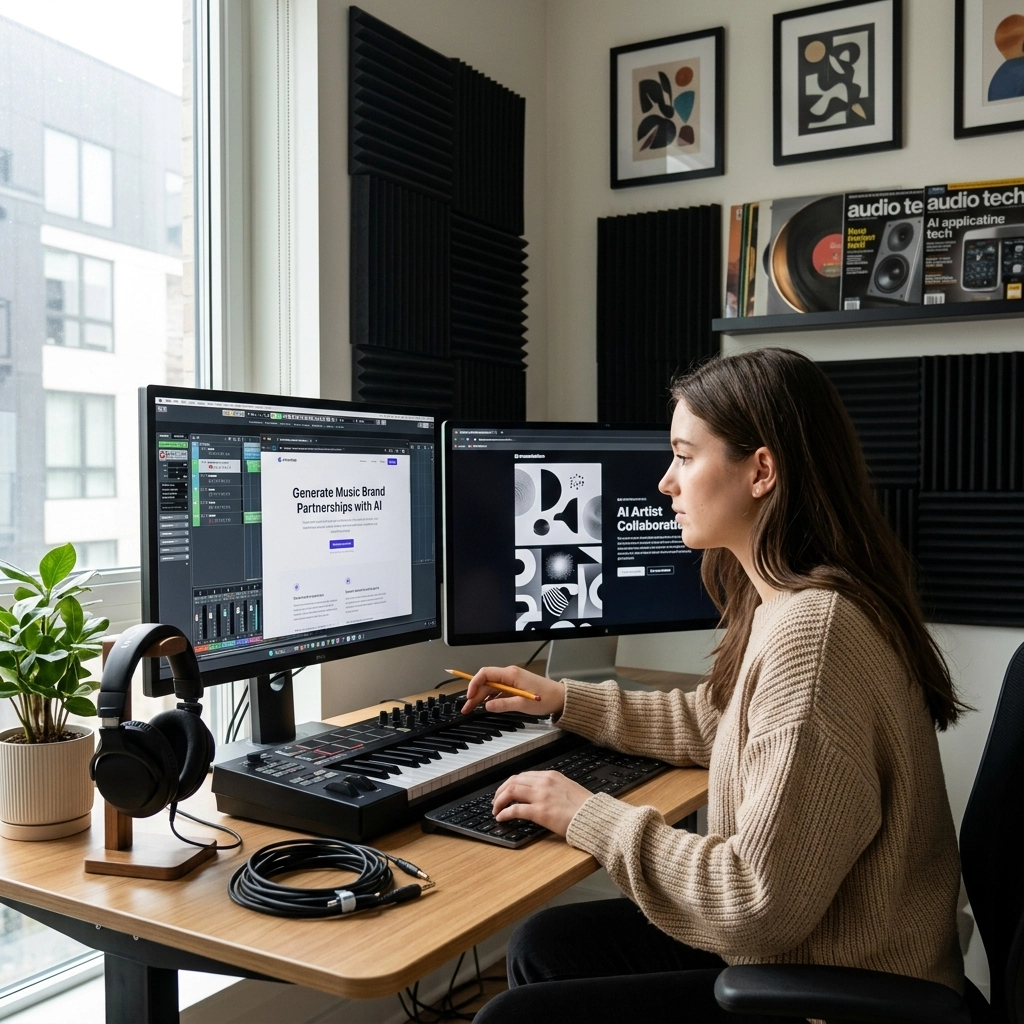
AI can help artists analyze songs, improve workflows, explore arrangements, support vocal production, and accelerate creative development. It should not replace artistic judgment or obscure how a project was created.
Our objective is to help artists and industry professionals adopt new tools without losing authenticity, transparency, or professional standards. Responsible innovation is not a limitation. It is a competitive advantage.
Q3 2026 Momentum Supports Series A Preparation
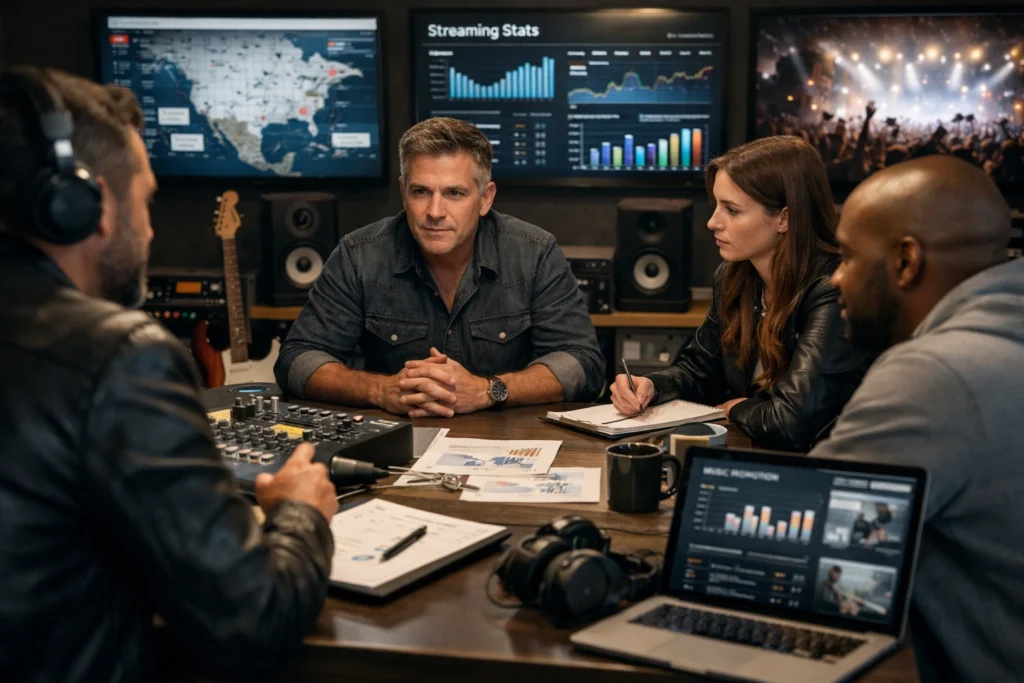
The combination of Academy enrollment, SDVOSB growth, television production, live event integration, brand partnership expansion, and responsible AI innovation is creating a stronger operating platform for Tunes On Top.
These initiatives support ongoing Series A preparation by demonstrating momentum across multiple business divisions:
- Education: A growing Academy community with more than 500 alumni.
- Artist services: Scalable support for independent artists, managers, and emerging talent.
- Television production: New and returning properties with sponsorship potential.
- Partnership development: Expanded opportunities for brands, venues, and production partners.
- Technology: Ethical AI music production guided by human expertise.
- Public-sector opportunity: SDVOSB certification supporting supplier-diversity and contracting conversations.

Tunes On Top is building more than individual projects. We are creating an interconnected ecosystem where artists gain visibility, brands access authentic entertainment, and partners achieve strategic goals through music.
Frequently Asked Questions
When did Tunes On Top Academy Fall 2026 enrollment open?
Tunes On Top Academy Fall 2026 enrollment opened on August 15, 2026. As of August 20, 2026, enrollment is in week one and generating strong activity.
What does the Fall 2026 Academy curriculum include?
The expanded curriculum includes AI ethics, AI-driven music production, advanced sync licensing, sponsorship strategy, artist branding, audience development, and music business fundamentals.
What is the current status of Band Makeover Season 2?
The top 10 independent acts for Band Makeover Season 2 are currently in pre-production. The series is also developing brand-sponsored opportunities across artist development, music technology, apparel, lifestyle, studios, digital content, and live showcases.
When will My Wedding DJ premiere?
My Wedding DJ is locked for a Fall 2026 premiere. Sponsorship activation opportunities are available for aligned lifestyle, event, technology, hospitality, and consumer brands.
How can artists or brands partner with Tunes On Top?
Artists, managers, brands, agencies, public-sector organizations, and production partners can connect with Tunes On Top through the company contact page. Partnership opportunities include music marketing services, music industry consulting, television sponsorship, artist development, AI music production, live event integration, and brand collaborations.
Partner With Tunes On Top
The next phase of the music industry will reward organizations that combine creativity with structure, innovation with responsibility, and entertainment with meaningful audience connection.
Whether you are an independent artist ready to amplify your reach, a brand seeking authentic music collaboration, or a procurement team exploring veteran-led creative services, Tunes On Top is your ultimate partner for achieving measurable momentum.
For press inquiries, Academy information, or partnership opportunities:
Dan Kost
Phone: 970-436-0580
Email: Info@TunesOnTop.com
Tunes On Top has been developing talent and connecting music with opportunity since 2007.



































































































































































%20with%20%22AI%20Voice%20Synthesis%22%20and%20%22Neural%20Mastering%22%20plugin%20windows%20open.%20Professional%20studio%20lighting%2C%20shallow%20depth%20of%20field.?width=1024&height=819&nologo=true)